
TL;DR

Get garden gear delivered free — and shop member deals
- Fast, free delivery on millions of items
- Access to Prime Big Deal Days deals on October 6–7
- Prime Video, Amazon Music and more included
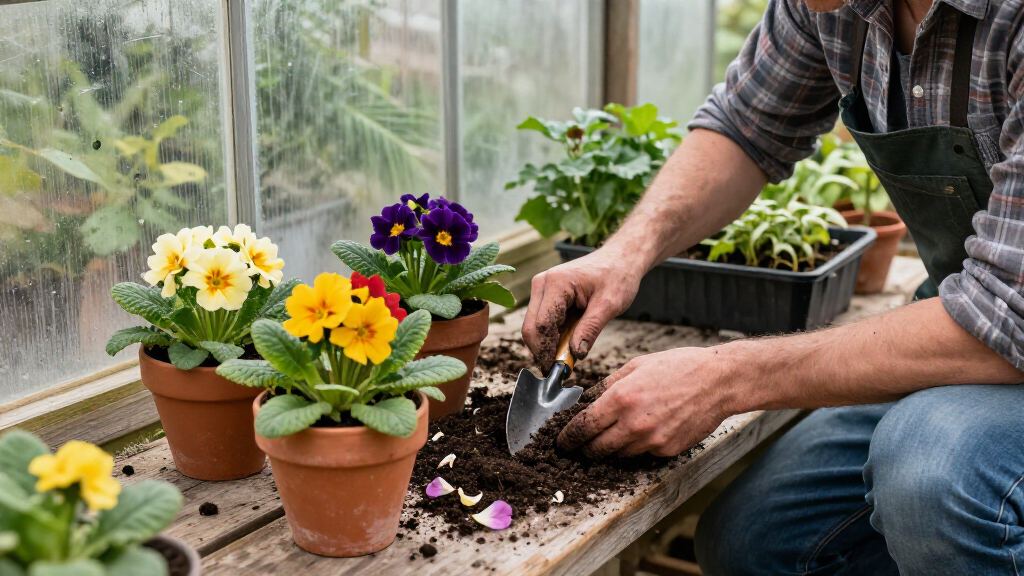
Primroses and polyanthus are cool-weather flowers that can bring color to gardens from late winter into spring. Gardener’s Path recommends autumn planting in fertile, well-drained soil, steady moisture and protection from hot afternoon sun; plants may struggle in hot, humid summers.
Primroses and polyanthus can provide flowers from late winter into spring, and a Gardener’s Path growing guide advises planting them in autumn, keeping their soil moist but well drained, and shielding them from hot afternoon sun. The advice matters to gardeners seeking early-season color, though the guide notes these cool-weather plants may struggle in hot, humid summers.
According to the Gardener’s Path guide, primroses belong to the Primula genus, while polyanthus is the hybrid Primula × polyantha. The guide describes primroses as generally flowering on short stems above low rosettes of crinkled leaves, and polyanthus as producing flower clusters, or umbels, on sturdier stalks. Depending on variety and climate, the guide says flowering runs from late winter to late spring; in mild-winter areas, blooms can start earlier.
For autumn planting, Gardener’s Path recommends choosing a site with fertile, humus-rich, well-draining soil. Its instructions are to loosen the ground about 12 inches deep and wide and mix in organic material such as compost or leaf mold. Set each plant with its crown just above the soil surface, then firm the soil gently. The guide advises spacing plants six to 12 inches apart and mulching around the roots while keeping mulch off the crown.
The guide says light needs vary with season and local climate. Plants can take full sun in spring, but in warmer conditions benefit from partial shade during hot afternoons. Gardener’s Path recommends regular watering to keep soil lightly moist, not waterlogged; about an inch a week is usually adequate, with container plants checked more often. It also recommends a slow-release, flower-boosting fertilizer in early spring and again in early summer.
Planning for Early Spring Color
Gardener’s Path notes that primroses and polyanthus flower when many garden plants are not yet in bloom, making them a practical option for beds, borders and containers that need color early in the season. The guide also says their flowers provide nectar for early-season pollinators when few other blooms are available. Those recommendations make planting time and site selection useful considerations for gardeners planning ornamental displays and early-season forage.
The guide cautions that tolerance for cool conditions does not mean the plants suit every climate year-round. It says they can be grown as perennials in suitable areas but may wither in hot summers and high humidity; treating them as fall-planted annuals may be an option in those conditions. Local climate and the particular variety will shape how well plants persist.
As an affiliate, we earn on qualifying purchases.
Cool-Weather Primula Basics
Gardener’s Path places many primroses and polyanthus in USDA Hardiness Zones 3 to 8, with hardiness varying by species. The guide says plants can reach about 12 inches tall and spread up to 18 inches. Their compact growth and range of flower colors suit containers, mass plantings and lightly shaded woodland-style beds.
The guide describes humus-rich soil with good drainage as ideal and gives a preferred soil pH range of 6.5 to 7.0. It notes that a spot beneath deciduous trees may provide spring light followed by summer shade. Mulch helps retain moisture and keep roots cool, but should not touch the plant crown.
As an affiliate, we earn on qualifying purchases.
Climate and Variety Differences
The Gardener’s Path advice is general rather than specific to a named cultivar or garden location. It does not establish how a particular variety will perform in a reader’s local soil, rainfall or summer heat, and its stated hardiness range varies by species. Gardeners should check plant labels and local growing conditions before relying on a particular planting schedule or expecting plants to survive summer.
The guide does not provide a detailed diagnosis for common growing problems or a variety-by-variety comparison. Its watering figure of about one inch per week is presented as a usual guide, not a fixed requirement for every site; drainage, weather and container size affect how often plants need water.
well-draining garden soil for primroses
As an affiliate, we earn on qualifying purchases.
As an affiliate, we earn on qualifying purchases.
Seasonal Care After Planting
After autumn planting, Gardener’s Path advises keeping the soil lightly moist and monitoring plants as temperatures change. In spring, remove or adjust surrounding cover as needed so the plants receive light while remaining protected from intense afternoon sun in warmer areas. The guide recommends applying slow-release fertilizer in early spring, then repeating in early summer if following its schedule.
For container-grown plants, the guide recommends checking the top inch of soil and watering when it becomes dry, since pots typically need more frequent attention than garden beds. As summer approaches, watch for heat stress and consider whether the local climate supports keeping plants as perennials. The source provides no specific follow-up date or new development; these are ongoing seasonal care recommendations.
flowering plant fertilizer for early spring
As an affiliate, we earn on qualifying purchases.
As an affiliate, we earn on qualifying purchases.
Key Questions
When should I plant primroses and polyanthus?
Gardener’s Path recommends planting in autumn, at least six weeks before the first frost, to give plants time to establish before colder weather.
How much sun do primroses need?
According to the guide, they can grow in full sun during spring, but often need partial shade from hot afternoon sun as the season warms. In cooler-summer areas, they may tolerate full sun for longer.
How often should I water them?
Gardener’s Path advises keeping the soil lightly moist but not waterlogged. The guide gives about one inch of water per week as a usual amount; container plants may need more frequent watering.
Can primroses survive hot summers?
The guide says primroses and polyanthus can struggle in hot, humid summers. In those areas, it says growing them as fall-planted annuals may be easier than expecting them to persist year after year.
Source: rss
Fall yard work Picks
leaf blowers
As an affiliate, we earn on qualifying purchases.