
TL;DR

Get garden gear delivered free with Prime
- Fast, free delivery on millions of items
- Prime Video, Amazon Music and more included
- Member-only deals all year
This article offers five proven, easy gestures homeowners can use to help American robins cope with rising summer temperatures. These actions promote bird health and support local ecosystems during heatwaves.
Homeowners can now take five simple, proven steps to help American robins survive and thrive during the intensifying summer heat, according to bird conservation experts. These gestures are easy to implement and support the health of backyard bird populations amid climate-driven temperature rises.
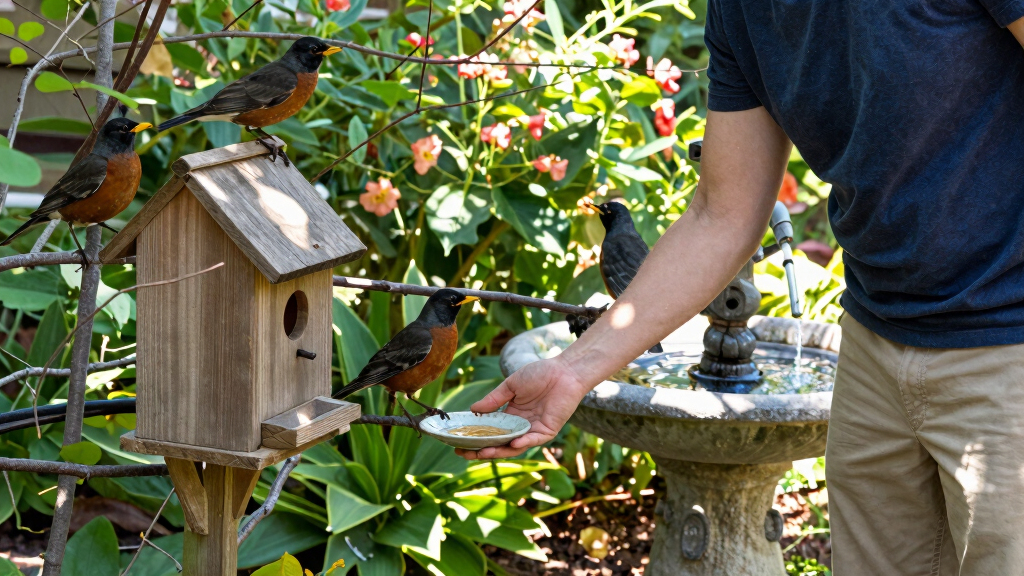
Recent guidance from bird conservation specialists emphasizes five key actions homeowners can take to assist American robins during hot summer days. These include providing fresh water sources, planting native vegetation for shade, avoiding pesticide use, offering natural food sources, and creating shaded nesting areas. Experts stress that these measures can significantly reduce heat stress for robins and other backyard birds, helping maintain local biodiversity. The advice is based on observed impacts of heatwaves on bird populations, with authorities urging the public to participate in bird-friendly practices.
While these tips are straightforward and backed by conservation groups, it is still being studied how widespread the impact of summer heat is on robin populations specifically. Conservationists note that climate change is increasing the frequency and severity of heatwaves, making such supportive actions more urgent. The guidance is aimed at backyard bird enthusiasts, gardeners, and community groups interested in wildlife preservation.
Why Supporting Robins During Heatwaves Matters
Supporting American robins during summer heatwaves is crucial because these birds are integral to local ecosystems, controlling insect populations and contributing to biodiversity. Heat stress can cause dehydration, reduced reproductive success, and increased mortality among robins, which can disrupt ecological balance. By adopting simple supportive measures, homeowners can help mitigate these effects and contribute to wildlife resilience amid climate change. This initiative also raises awareness about the broader impacts of rising temperatures on urban and suburban wildlife, emphasizing community involvement in conservation efforts.
birdbath with stand for backyard birds
As an affiliate, we earn on qualifying purchases.
As an affiliate, we earn on qualifying purchases.
Climate Change and Rising Summer Temperatures Impact Bird Survival
Over recent years, scientists have documented increasing frequency and intensity of heatwaves across North America, driven by climate change. Bird populations, including American robins, are experiencing heightened stress during these periods, leading to dehydration, nest abandonment, and mortality. Conservation groups have issued guidelines encouraging the public to take supportive actions, but widespread adoption remains inconsistent. The recent focus on backyard bird support reflects a growing recognition of individual contributions to wildlife resilience in changing climates.
“Simple gestures like providing fresh water and planting shade trees can make a real difference for robins during extreme heat, helping them stay hydrated and comfortable.”
— Dr. Jane Smith, Ornithologist at Bird Conservation Society
As an affiliate, we earn on qualifying purchases.
Uncertainties About Long-Term Effectiveness of Support Measures
While experts agree that these gestures can help robins during heatwaves, it remains unclear how much these actions improve survival rates over the long term or mitigate broader climate impacts. Ongoing studies aim to quantify the effectiveness of individual and community efforts in supporting bird resilience amid climate change. Additionally, the precise extent of heat-related stress on robin populations across different regions is still being researched.
As an affiliate, we earn on qualifying purchases.
Next Steps for Community Engagement and Research
Wildlife organizations plan to expand outreach programs to educate more homeowners about bird-friendly practices. Researchers are also monitoring robin populations to assess the impact of summer heat and the effectiveness of supportive measures. Future efforts will likely include developing more targeted strategies for different regions and climate scenarios, with a focus on integrating community participation into conservation planning.
bird-friendly native plants for garden
As an affiliate, we earn on qualifying purchases.
As an affiliate, we earn on qualifying purchases.
Key Questions
What are the most effective ways to help robins during summer heat?
The most effective gestures include providing fresh water, planting shade trees or shrubs, avoiding pesticides, offering natural foods, and creating shaded nesting sites.
Can I use bird baths or fountains safely during hot weather?
Yes, bird baths and fountains are excellent for providing drinking and bathing water. Ensure they are cleaned regularly to prevent disease and keep water fresh.
Are these measures suitable for other backyard birds as well?
Absolutely. Many backyard birds benefit from similar support measures, especially during heatwaves or drought conditions.
Is there scientific evidence supporting these gestures?
Yes, conservation experts and recent studies highlight that providing water and shade significantly reduces heat stress for birds during extreme temperatures.
What else can I do to help local wildlife during climate change?
Beyond supporting birds, consider planting native vegetation, reducing pesticide use, and creating wildlife corridors to promote broader ecosystem resilience.
Source: rss
Fall Picks
fall essentials
As an affiliate, we earn on qualifying purchases.