

To boost your tech-savviness, focus on learning digital tools and coding languages like Python or JavaScript, which are beginner-friendly and widely used. Break down the skills into manageable steps, and use online resources to practice regularly. Developing these skills enhances your ability to automate tasks, troubleshoot issues, and create custom solutions. Keep expanding your digital knowledge, and you’ll stay ahead in today’s fast-changing tech environment—all you need to do now is explore further.
Key Takeaways
- Start with beginner-friendly programming languages like Python or JavaScript using online tutorials and courses.
- Focus on mastering essential digital tools such as collaboration platforms, project management software, and data visualization tools.
- Break down coding and digital skills into manageable steps to build confidence and ensure steady progress.
- Develop cybersecurity awareness by learning about phishing, password security, and data privacy best practices.
- Continuously update your skills and explore new digital technologies to stay competitive and adaptable in a tech-driven environment.

In today’s fast-changing digital landscape, staying ahead means continuously upgrading your skills. Whether you’re looking to boost your career or stay relevant in a competitive job market, developing your digital literacy is essential. One of the most effective ways to do this is by understanding and leveraging AI integration. AI isn’t just a buzzword anymore; it’s transforming industries, automating tasks, and offering new ways to solve problems. By familiarizing yourself with AI tools and concepts, you position yourself as someone who can adapt quickly to technological shifts. You don’t have to become an AI expert overnight, but gaining a foundational understanding helps you see how AI can be applied in your field, enhancing your productivity and decision-making.
Staying ahead in a digital world requires continuous skill upgrades, especially through AI understanding and integration.
Alongside AI integration, cybersecurity awareness plays a crucial role in your upskilling journey. As more of your work moves online, the risks associated with cyber threats increase. You need to be proactive about protecting sensitive data and understanding common security protocols. This doesn’t mean you have to become a cybersecurity specialist, but taking basic steps—like recognizing phishing attempts, creating strong passwords, and understanding data privacy—is vital. Increasing your cybersecurity awareness not only safeguards your own work but also makes you a more valuable team member who can contribute to a secure digital environment. Employers seek individuals who are conscious of cyber risks and know how to respond appropriately, making this knowledge a key component of your skill set.
Learning digital tools and coding might seem daunting at first, but breaking it down into manageable steps makes it achievable. Start by exploring beginner-friendly programming languages like Python or JavaScript, which are widely used and have plenty of resources available online. As you gain confidence, you can dive deeper into more complex coding projects, automation, or data analysis. These skills enable you to create custom solutions, troubleshoot issues more effectively, and automate repetitive tasks—saving you time and increasing your efficiency. Familiarity with digital tools like collaboration platforms, project management software, and data visualization programs also enhances your ability to work seamlessly across teams and projects. Additionally, understanding how different home theatre projectors work can sharpen your technical acumen and broaden your digital expertise.
Ultimately, your success in upskilling depends on your willingness to learn and adapt. Embracing AI integration, sharpening your cybersecurity awareness, and acquiring coding skills aren’t just about keeping up; they’re about staying ahead. These competencies empower you to navigate the digital world confidently, opening doors to new opportunities and ensuring you remain competitive in an ever-evolving job landscape. The more you invest in your digital literacy today, the better prepared you’ll be for the challenges and innovations of tomorrow.
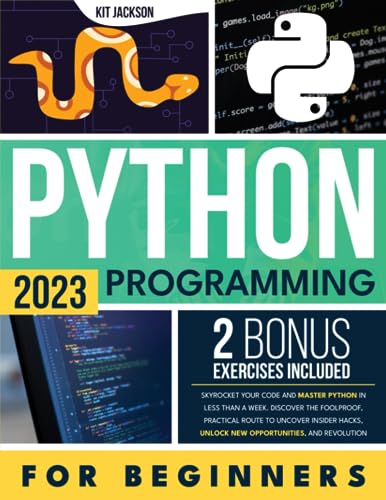
Python Programming for Beginners: Skyrocket Your Code and Master Python in Less than a Week. Discover the Foolproof, Practical Route to Uncover Insider Hacks, Unlock New Opportunities, and Revolution
1
As an affiliate, we earn on qualifying purchases.
As an affiliate, we earn on qualifying purchases.
Frequently Asked Questions
How Long Does It Typically Take to Become Proficient in Coding?
It usually takes about six months to a year to reach coding mastery, but the learning curve varies. If you dedicate consistent time and practice, you’ll see progress faster. Focus on building foundational skills first, then work on real projects to solidify your knowledge. Remember, patience and persistence are key—everyone’s journey is different, but steady effort will help you overcome the learning curve and achieve proficiency.
What Are the Best Free Resources for Learning Digital Tools?
Learning digital tools is like exploring a vast digital forest, and free resources are your trusty map. You can find excellent free tutorials on platforms like YouTube, Coursera, and edX. Many online courses offer step-by-step guidance, covering everything from basic software to advanced tools. These resources are perfect for self-paced learning, helping you build skills without spending a dime and making your tech journey smooth and enjoyable.
Can Older Adults Successfully Learn New Digital Skills?
Yes, older adults can successfully learn new digital skills. Engaging in digital literacy programs tailored for seniors helps build confidence. Intergenerational mentorships, where younger people teach digital tools and coding, foster a supportive learning environment. With patience and practice, you can master these skills, making technology more accessible and useful in your daily life. Embrace the opportunity—learning digital skills is achievable at any age.
How Do I Stay Motivated During Long Upskilling Journeys?
You stay motivated by setting clear goals and managing your time effectively. Did you know that 80% of successful learners attribute their progress to consistent goal setting? Keep your objectives realistic, track your progress, and celebrate small wins. Break your upskilling journey into manageable steps, and stay committed even when progress feels slow. Remember, steady effort and good time management will keep you motivated and moving forward.
What Career Opportunities Are Available After Learning Coding and Digital Tools?
After learning coding and digital tools, you open doors to diverse career pathways like software development, data analysis, cybersecurity, and UI/UX design. The job market demand for tech skills continues to grow, offering you opportunities in startups, corporations, and freelancing. Your new skills make you more competitive, allowing you to pursue roles that align with your interests and aspirations, ensuring a promising and dynamic career future.

ELECFREAKS microbit Starter Kit 24 Accessories Micro:bit Basic Coding Electronics Kit, microbit Makecode Learning Kit with Guidance Manual (Without Micro: bit)
【About Starter Kit】 ElecFreaks Micro:bit Starter Kit is designed for microbit beginer who is beginning learning electric circuit…
As an affiliate, we earn on qualifying purchases.
As an affiliate, we earn on qualifying purchases.
Conclusion
Embracing digital tools and coding isn’t just about keeping up—it’s about staying ahead. Some say that learning tech skills now guarantees future success, and there’s truth to that. Studies show that upskilling boosts confidence and opens doors to new opportunities. So, immerse yourself and explore these skills; the more you learn, the more you future-proof your career. After all, in today’s world, tech competence isn’t optional—it’s essential for growth.

Microsoft Loop for Everyone: A Simple Guide to Smarter Collaboration (Microsoft 365 Essentials: Tools for Productivity)
As an affiliate, we earn on qualifying purchases.
As an affiliate, we earn on qualifying purchases.

Energized Cybersecurity Culture: A Marketing Approach to Build Excitement and Increase Participation in Your Security Awareness Program
As an affiliate, we earn on qualifying purchases.
As an affiliate, we earn on qualifying purchases.