TL;DR

Get garden gear delivered free — and shop member deals
- Fast, free delivery on millions of items
- Access to Prime Big Deal Days deals on October 6–7
- Prime Video, Amazon Music and more included
Yellowjacket workers spend more time searching for food in late summer and fall, when colonies are nearing the end of their annual cycle. Cover food and drinks, clean spills, avoid swatting, and get professional help if activity suggests a nest near your home.
Yellowjackets are more likely to turn up around outdoor food and drinks in late summer and fall, as colony workers spend more time searching for food, according to a Country Living report citing pest-control experts. The seasonal increase in encounters can raise the risk of accidental stings at picnics and around homes, but covering food, cleaning sugary spills and leaving the insects alone can reduce some common attractants.
Bill Stodder, an associate certified entomologist with Neuse Termite and Pest Control, told Country Living that yellowjacket colonies reach the end of their annual cycle in fall. Workers focus more on finding food, he said, and are attracted to soda, ripe fruit and trash. Their activity around these sources can make outdoor meals and yard work more likely to bring people into contact with them.
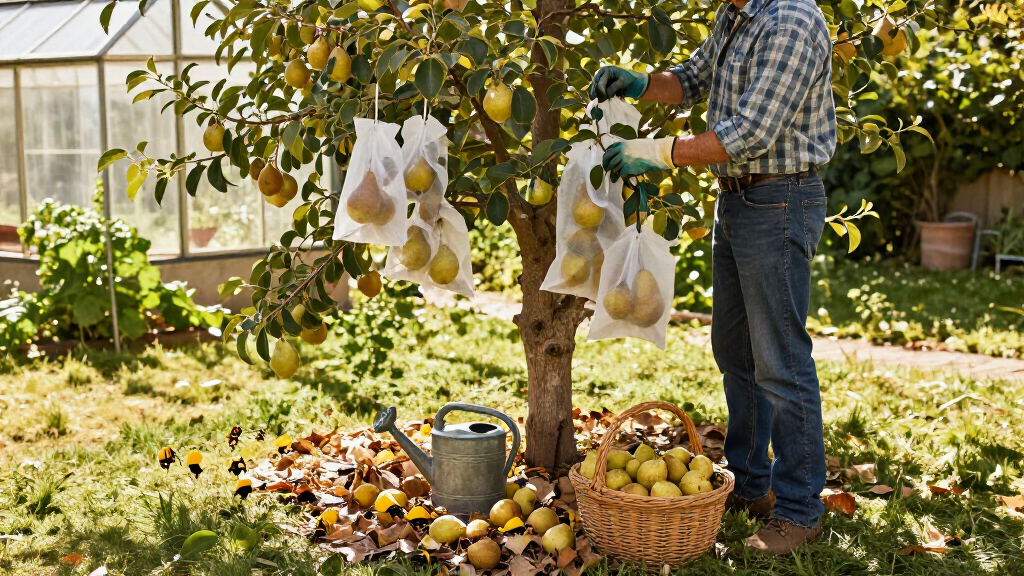
Gordon Doran, CEO of Natran Green Pest Control, advised keeping food and drinks covered and cleaning up spills. Yellowjackets can enter an open drink can, he said, so pouring beverages into a clear cup may make it easier to see whether an insect is inside. Rinse containers with sugary residue before recycling, keep garbage lids closed and remove fallen or overripe fruit from the yard.
Sweet-smelling personal-care products, including some perfumes, shampoos and lotions, may also attract the insects, the report says. If yellowjackets approach, Doran recommends moving away calmly rather than swatting or running, which he said can trigger a defensive response. At hummingbird feeders, clean away spilled nectar; a saucer-style feeder with top-facing ports may make nectar harder for yellowjackets to reach.
Reducing Stings Around Outdoor Meals
The guidance is relevant to people eating outdoors, tending gardens or handling rubbish during the warm months. Food and drink containers can conceal yellowjackets, creating a risk of a sting if someone takes a sip or reaches into a can without checking. Keeping attractants covered and promptly cleaning up can help limit those encounters.
Yellowjackets also have a role in the ecosystem. Stodder told Country Living that they eat pests such as flies and aphids and serve as prey for other wildlife. The report describes them as pollinators, though they do not do as much pollination work as bees. Avoiding unnecessary contact is useful both for people and for insects that contribute to local food webs.
As an affiliate, we earn on qualifying purchases.
Where Colonies May Be Found
Yellowjackets are social wasps that live in colonies and can defend their nests. According to the report, nests may be underground in old animal burrows or located in wall spaces, attics, under eaves or beneath decks. Repeated flight into and out of the same spot can be a sign that a nest is nearby, though seeing a single insect does not establish that a nest is present.
Stodder recommends checking sheltered areas around homes in spring, when queens may begin small nests, and sealing openings that could provide access to wall voids or other protected spaces. The report says colonies can be large, with numbers varying by species. It does not provide a region-specific forecast or data showing how much yellowjacket activity rises in fall.
“Workers spend more of their time looking for food.”
— Bill Stodder, associate certified entomologist at Neuse Termite and Pest Control
As an affiliate, we earn on qualifying purchases.
What Seasonal Advice Cannot Establish
The report offers expert guidance but does not quantify how much more aggressive yellowjackets become in fall, compare activity across regions or provide local sting statistics. Season and food availability are presented as reasons for increased food-seeking, not as a guarantee that every yellowjacket will behave aggressively. The presence of a nest, its size and its exact location also cannot be determined from occasional sightings alone.
Country Living’s source material ends while discussing nest prevention and DIY removal, so it does not set out a full removal protocol. Homeowners should not infer that a nest is safe to handle themselves based on the report’s general prevention advice.
As an affiliate, we earn on qualifying purchases.
Inspect, Prevent and Seek Help
Homeowners can check sheltered areas around eaves, sheds, fences and play structures in spring, and seal cracks or openings that could let queens enter buildings. During fall, keep food and drinks covered, clear fruit and spills, and watch for repeated insect traffic to one location. Do not disturb a suspected nest; contact a qualified pest-control professional to assess it, especially if it is near a doorway, play area or regularly used part of the property.
The report does not identify a specific upcoming event or official monitoring update. The immediate next step for readers is to apply these precautions and seek local professional advice if they find signs of a colony.
hummingbird feeder with top-facing ports
As an affiliate, we earn on qualifying purchases.
As an affiliate, we earn on qualifying purchases.
Key Questions
Why are yellowjackets more noticeable in fall?
According to entomologist Bill Stodder, workers spend more time searching for food as colonies approach the end of their annual cycle. They are attracted to sugary drinks, ripe fruit and rubbish.
What should I do if yellowjackets approach my food?
Keep food and drinks covered, clean spills and move away calmly if insects come near. Pest-control executive Gordon Doran advises against swatting or running, which he says can trigger a defensive response.
How can I avoid swallowing a yellowjacket in a drink?
Check open drinks and consider pouring them into a clear cup so you can see inside. Keep cans covered when possible and do not drink from a container without checking it.
How can I tell whether there is a nest nearby?
Repeated yellowjacket traffic into and out of the same place may indicate a nest, according to the report. Nests can be underground or in protected parts of buildings. Do not disturb a suspected nest; seek professional assessment.
Are yellowjackets beneficial?
Stodder said they help control insects such as flies and aphids and provide food for wildlife. They are also pollinators, although the report says they do less pollination work than bees.
Source: rss
Fall yard work Picks
leaf blowers
As an affiliate, we earn on qualifying purchases.