
TL;DR
Gardening Know How’s October hosta-care report recommends adjusting watering, stopping nitrogen-rich fertilizer and waiting until leaves have died before cutting them back. It also advises removing dead foliage and preparing container-grown plants for freezing weather. Timing depends on local climate and the condition of each plant.
Gardening Know How has published October guidance for hosta growers, advising them to stop nitrogen-rich feeding, reduce watering as conditions cool and wait until foliage is dead before cutting it back. The report says hostas are moving into winter dormancy and that premature pruning and unremoved leaf debris can affect plant preparation and provide places for pests and fungal spores to overwinter.

Get garden gear delivered free with Prime
- Fast, free delivery on millions of items
- Prime Video, Amazon Music and more included
- Member-only deals all year
The report describes October as a period when hosta leaves yellow and collapse while the plants transfer stored energy toward their roots and crowns. It recommends stopping nitrogen-rich fertilizer in early fall rather than encouraging soft new growth ahead of freezing weather. Watering should also be reduced: check the top couple of inches of soil and water only during dry spells if the ground is not already damp. The report says to stop watering once topsoil freezes.
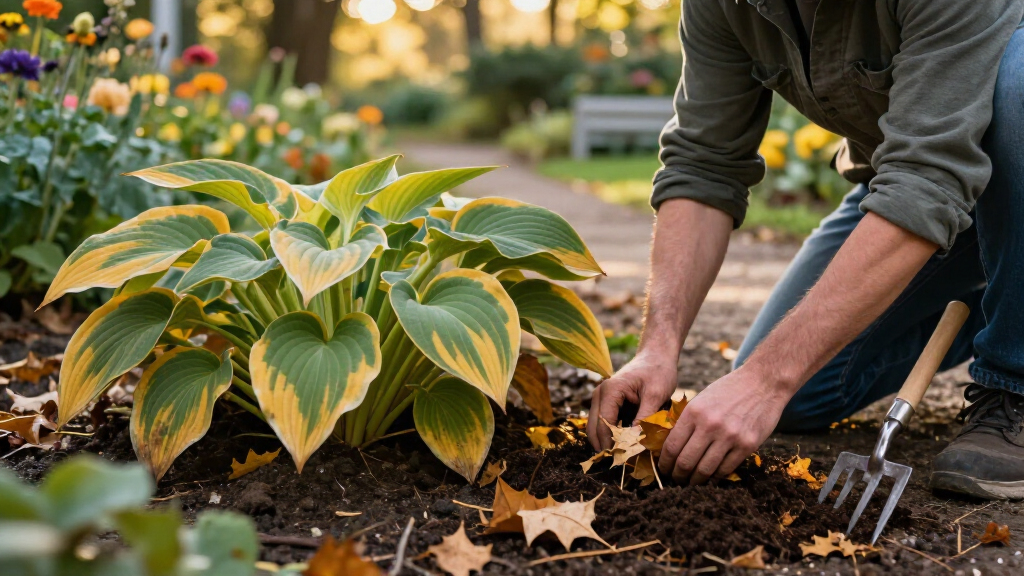
For pruning, the guidance is to wait until foliage has clearly died, often after the first frost, rather than cutting green or partly green leaves simply because they look untidy. The report recommends using clean, sharp pruners or shears to cut dead stems to about 1 to 2 inches above the ground, taking care not to damage the crown or dormant buds. It also advises collecting dead leaves and other debris around plants, which it says can shelter slugs and snails and retain fungal spores.
These steps are presented as general seasonal guidance, not a fixed calendar for every garden. The report says hosta varieties and local conditions affect when plants die back. It distinguishes colder regions, where frost may arrive earlier, from milder areas where foliage can stay green longer, and says container-grown hostas also need preparation before freezing temperatures.
Preparing Hostas for Winter
October care can affect how hostas enter dormancy and how garden beds move through winter. The report advises against cutting foliage while it is still green, because leaves continue transferring stored energy to the plant. Waiting for dieback also provides a clearer point to remove debris without prematurely ending that process.
Clearing dead foliage is presented as a way to reduce potential hiding and overwintering sites for slugs, snails and fungal spores. It does not guarantee pest or disease prevention, but may reduce the amount of decaying material left around emerging shoots. Container-grown plants also require attention to freezing conditions because pots are exposed to cold differently from plants rooted in garden soil.
Products Worth Considering

Ring Battery Doorbell (2nd Gen) and Floodlight Cam Plus Wired Bundle

Levoit Core 600S-P Smart Air Purifier for Large Rooms up to 2933 ft²

TCL F8D Series 50-Inch 4K QLED Smart Fire TV
As an affiliate, we earn on qualifying purchases.
Seasonal Timing Varies by Climate
Hostas are shade-tolerant perennials grown for their varied foliage. As daylight shortens and temperatures fall, their leaves commonly yellow and die back. The report says energy stored in the roots and crowns supports dormant buds that produce new leaves in spring.
October is not the same stage of the season everywhere. Gardening Know How notes that gardeners in USDA hardiness zones 3 to 5 may encounter heavier frosts by midmonth, while those in zones 6 to 8 may see green leaves persist longer. These are broad regional patterns; actual frost dates and the response of individual varieties can differ. Thick-leaved hostas may take longer to collapse than thin-leaved types, so the report advises judging the plant itself rather than pruning on a single date.
““As long as you can see a leaf has some green or yellowish-green color, it is still working at converting light into energy.””
— Gardening Know How
Frost Dates and Plant Response
The report does not give a single pruning date that applies to every hosta or garden. Local frost timing, soil moisture and variety determine when foliage has died and when seasonal tasks should be completed. Its regional zone ranges are general guidance, not a forecast for a specific location.
The recommendations also do not quantify how much debris removal reduces pest or fungal problems, or guarantee stronger growth the following spring. The expected benefits are presented as aims rather than assured outcomes. The source excerpt ends during its discussion of disposing of removed foliage, so it does not provide complete disposal instructions there.
Watch for Dieback and Freezes
Gardeners can monitor their hostas over the coming weeks, adjusting watering to rainfall and soil conditions and leaving any still-green foliage in place. Once leaves have died, the report recommends cutting them back carefully and clearing dead material from around the plants. Before hard freezes, growers should also consider how container hostas will be protected.
The report identifies local weather, including the first frost and the point when topsoil freezes, as timing cues for these tasks. It offers no new research finding or scheduled follow-up; its guidance is intended for seasonal use, with care timed to local conditions.
Key Questions
Should I cut hostas back in October?
Only after the foliage has clearly died, according to Gardening Know How. If leaves still have green or yellow-green areas, the report advises waiting because they may still be transferring energy to the roots and crown.
Should hostas be watered in fall?
Water less often as temperatures cool and rainfall increases. Check the top couple of inches of soil and water during dry spells if it is dry. The report says to stop once the topsoil freezes.
Why remove dead hosta leaves?
The report says decaying foliage can shelter slugs and snails and provide a place for fungal spores to overwinter. Removing dead leaves and nearby debris may reduce those hiding and overwintering sites, but it does not guarantee pest or disease prevention.
Does every hosta need to be cut back at the same time?
No. Timing varies with local weather and the variety. The report says some thick-leaved hostas can take longer to collapse, so gardeners should wait for the plant’s foliage to die rather than follow one fixed October date.
Source: rss