TL;DR

Get garden gear delivered free with Prime
- Fast, free delivery on millions of items
- Prime Video, Amazon Music and more included
- Member-only deals all year
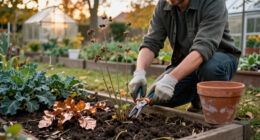
A Homes & Gardens report advises gardeners to check soil drainage before planting spring bulbs in fall, as bulbs in waterlogged soil may rot rather than bloom. A simple hole test can help identify slow-draining spots; raised beds and containers are alternatives where drainage cannot be improved.
A Homes & Gardens report advises gardeners to check soil drainage before planting spring bulbs this fall, warning that bulbs left in cold, waterlogged soil may rot before they emerge. The practical guidance includes a hole test for drainage and alternatives such as raised beds and pots for sites that stay wet.
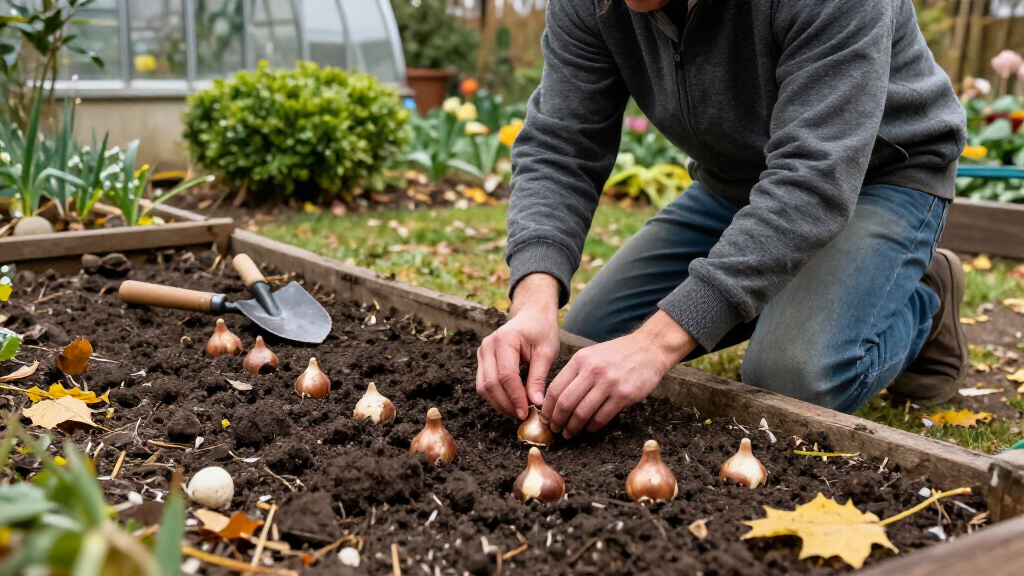
Bulbs need some moisture to develop roots after planting, but the report distinguishes that from soil that remains saturated. In poorly draining ground, especially during wet fall and winter weather, bulbs can sit in cold, wet conditions and decay rather than produce flowers. The risk applies to popular spring-flowering bulbs including daffodils, tulips, hyacinths, snowdrops and alliums.
The report recommends digging a hole about 12 inches deep and 8 to 12 inches wide, filling it with water, and checking whether water remains an hour later. Damon Tang, founder of US Grow Zones, advises choosing a better-drained spot, using a raised bed or adding compost if water is still standing at that point. The test is presented as a practical indicator, not a guarantee that every planting site will drain adequately in all conditions.
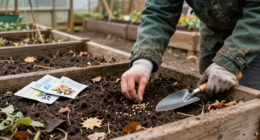
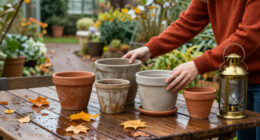
For heavier soils, the article recommends incorporating organic matter such as compost, well-rotted manure or leaf mold to improve soil structure. It says to add the material at least a week before planting and notes that the process may need repeating annually as organic matter breaks down. If ground conditions remain unsuitable, gardeners can plant in raised beds or containers; pots should have drainage holes and be raised slightly off the ground so water does not collect beneath them.
Drainage Can Decide Spring Blooms
The advice matters because fall planting is intended to give many bulbs time to establish roots before spring flowering, but a site that stays saturated can put that planting effort at risk. The issue is particularly relevant in areas expecting heavy fall and winter rain and in gardens with dense clay soil, which drains slowly. Checking conditions before planting may help gardeners avoid losing bulbs or having to replant after a poor display.
The report does not say that clay soil makes bulb growing impossible in every case. Its practical point is that gardeners should judge the actual drainage at the planting site and choose a different method if water lingers. Raised beds and containers give gardeners more control over the growing medium and drainage than planting directly into persistently wet ground.
Products Worth Considering

Philips Hue Festavia Globe Outdoor String Lights, 32 Bulbs, 91 ft

eufy Security eufyCam C37 4-Camera Kit with 360° Pan and Tilt

Samsung 48-Inch S90H OLED 4K Smart TV (2026)
As an affiliate, we earn on qualifying purchases.
Fall Planting and Wet Soil
October is identified in the report as a prime planting time for many spring bulbs, though suitable timing depends on local conditions. After planting, bulbs need moisture to begin root growth; in many places, natural rainfall provides it, while gardeners in drier regions may need to water. The challenge is avoiding the other extreme: prolonged saturation.
Clay soil is highlighted because its dense particles tend to drain slowly and can leave bulbs waterlogged over winter. The report’s guidance is based on gardening experts and practical planting recommendations; it does not provide a controlled study comparing bulb survival across soil types. The drainage check is therefore a useful screening step rather than a forecast of a particular garden’s spring results.
“The bulbs store their moisture and all of the nutrients that they need to grow in the fleshy tissue, so when they are waterlogged, that rots first, and fairly quickly.”
— Lindsey Chastain, gardening expert quoted by Homes & Gardens
Drainage Varies by Garden
The report does not specify how many bulbs are lost to waterlogged soil or quantify how much a drainage test improves flowering rates. A hole that drains within an hour also cannot establish how the entire bed will behave during prolonged rain or seasonal changes. Gardeners should treat the test as a guide and consider the site’s usual winter conditions.
It is also not clear from the source which bulb varieties tolerate particular soil conditions best, or how much compost would be required for each garden. Local climate, soil composition, planting depth and ongoing rainfall can affect results. The advice is general guidance, not a guarantee of a successful spring display.
Check the Site Before Planting
Before planting, gardeners can test the intended area, inspect how it handles rain and select a better-drained location if water remains in the hole. Where soil improvement is appropriate, the report recommends working in organic matter at least a week before planting and monitoring drainage over time. If the ground remains saturated, a raised bed or a container with drainage holes offers an alternative.
Once bulbs are planted, conditions through fall and winter will determine how much moisture they receive. The report provides no later update or forecast for this season’s displays, so the outcome will depend on local weather and growing conditions.
Key Questions
Why can waterlogged soil harm spring bulbs?
The report says bulbs in cold, saturated soil may rot. Waterlogging can also limit oxygen around the bulbs, according to gardening expert Lindsey Chastain.
How can I test whether my soil drains well?
Dig a hole about 12 inches deep and 8 to 12 inches wide, fill it with water and check after an hour. If water is still standing, the report suggests considering a better-drained spot, a raised bed or soil improvement.
Can I plant bulbs in clay soil?
The report says dense clay often drains slowly, which can make bulb growing harder. It recommends improving the soil with organic matter or using raised beds or pots when drainage remains poor.
What should I check when planting bulbs in pots?
Choose a deep container with drainage holes and a well-draining potting mix. Raising the pot slightly on pot feet or bricks can help keep it from sitting in water.
Source: homesandgardens.com