TL;DR

Get garden gear delivered free — and shop member deals
- Fast, free delivery on millions of items
- Access to Prime Big Deal Days deals on October 6–7
- Prime Video, Amazon Music and more included
An Amateur Gardening report published October 7, 2026, advises gardeners to prepare vulnerable plants for winter by lifting and storing them before harsh weather arrives. It recommends frost-free, dry storage for pelargoniums and gladioli, while timing the work according to local conditions.
Amateur Gardening published advice on October 7, 2026 for protecting tender plants before winter, recommending that gardeners lift pelargoniums and gladioli and keep them in frost-free, dry conditions. The report says the timing should reflect local weather: gardeners in colder northern areas or exposed gardens may need to act sooner than those still experiencing warm, dry conditions.
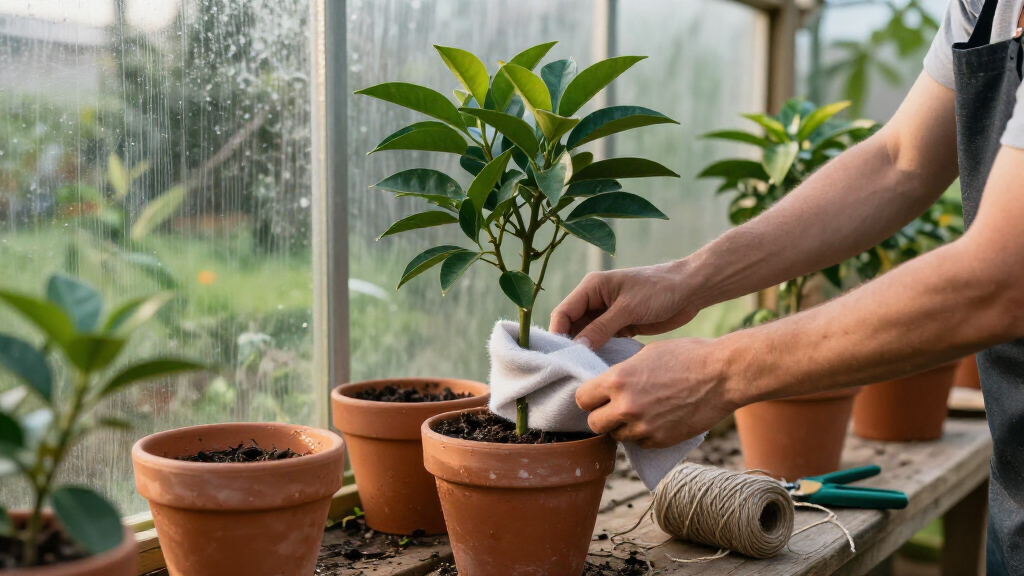
Pelargoniums are unlikely to survive winter outdoors, according to the report by gardening writer Ruth Hayes. It recommends lifting plants and potting them in peat-free multipurpose compost, then watering them well. As the plants become dormant, they may not need another drink for several weeks. Hayes advises cutting shoots back to the lowest healthy leaf bud, both to reduce the risk of mould and to shape the plant for renewed growth. Healthy removed shoots can be potted in seed or cuttings compost and kept on a light indoor windowsill.
The report also recommends lifting gladioli because their corms can rot in damp soil. Cut the stems back by half and separate any new bulblets attached to mature corms for keeping. Discard older corms that are shriveled or soft, and store the sound corms somewhere dry and protected from frost. Tender bedding perennials, including petunias, lobelia and calibrachoas, can also be potted up and kept in a greenhouse, based on Hayes’s account of successfully overwintering those plants the previous year.
For potted bedding plants, Hayes describes trimming foliage by about half, cutting plants back, watering them well and then watering very sparingly until growth resumes in spring. The advice is not a fixed calendar schedule: the article says gardeners in warm, dry areas can wait a few more weeks, while colder or more exposed locations may call for earlier preparation. It does not give a single date that applies to every garden.
Protecting Plants Before Cold Weather
Preparing tender plants can help gardeners retain established plants and corms for future growing seasons, rather than relying on them to survive outdoors through wet or freezing conditions. The practical difference is especially relevant for plants that are vulnerable to frost or waterlogged soil, such as pelargoniums and gladioli.
The guidance also highlights the value of choosing the right moment. Moving plants too late may leave them exposed to damaging weather, while plants in still-warm regions may not need immediate intervention. Following local conditions can help gardeners protect plants without treating an early-autumn task as a universal deadline.
frost-free plant storage containers
As an affiliate, we earn on qualifying purchases.
As an affiliate, we earn on qualifying purchases.
A Weather-Dependent Autumn Task
The report was published on October 7, 2026, as an early-autumn gardening guide. Hayes notes that winter weather is difficult to predict, citing possibilities such as heavy rain, a late cold snap or a dry winter. Those are examples of potential conditions, not a forecast for the winter ahead.
Her recommendations focus on a small group of tender perennials and bulbs that may need shelter before winter. The article draws on her own gardening experience, including one pelargonium that survived outdoors for a winter but did not recover well and died the following year. That account is personal experience rather than a controlled comparison of outdoor and indoor storage.
“I’d not place a wager on what weather this winter will bring.”
— Ruth Hayes, Amateur Gardening
As an affiliate, we earn on qualifying purchases.
Local Conditions Set the Timing
The report does not forecast the winter’s weather or specify when cold or wet conditions will arrive in any particular region. It also gives no temperature threshold for bringing plants indoors, and conditions can differ between gardens, especially where sites vary in shelter and drainage. Gardeners will need to judge local temperatures, rainfall and exposure when deciding when to lift plants.
The storage advice is general and based partly on Hayes’s reported experience. The article does not compare different greenhouse temperatures, storage methods or watering schedules, so outcomes may vary with plant health and the conditions in each home or greenhouse.
As an affiliate, we earn on qualifying purchases.
Watch Conditions and Store Plants
Gardeners should monitor the weather and prepare vulnerable plants when conditions in their area make outdoor exposure risky. Those lifting pelargoniums can pot them in peat-free compost, water them, trim shoots to healthy buds and take cuttings from suitable growth. Gladioli can be lifted, cleaned of soft or shriveled corms and stored dry and frost-free.
Plants kept under cover should be checked as winter progresses, with watering kept limited while they are dormant and adjusted when new growth begins in spring. The report does not provide a fixed follow-up date; the next steps depend on local weather and each plant’s condition.
As an affiliate, we earn on qualifying purchases.
Key Questions
When should I prepare tender plants for winter?
Timing depends on local conditions. The report says gardeners in colder northern areas or exposed gardens may need to act earlier, while those in warm, dry areas can wait a few weeks.
How should pelargoniums be stored?
Lift and pot them in peat-free multipurpose compost, water well, and keep them under cover. Cut shoots back to the lowest healthy leaf bud; dormant plants may need little or no water for several weeks.
What should I do with gladioli corms?
Lift them to reduce the risk of rotting in damp soil, cut stems back by half, and store sound corms in a dry, frost-free place. Keep new bulblets and discard corms that are soft or shriveled.
Can I take cuttings before storing pelargoniums?
Yes. Hayes recommends potting suitable removed shoots in seed or cuttings compost and growing them on a light indoor windowsill.
Source: rss
Fall yard work Picks
leaf blowers
As an affiliate, we earn on qualifying purchases.