TL;DR
A new historical analysis identifies eight flower varieties that were favorites among the Founding Fathers. These flowers were popular in their gardens and reflect their aesthetic preferences. The findings offer insights into early American gardening and cultural values.
Recent historical research confirms that eight specific flower varieties were among the most favored in the gardens of the Founding Fathers, reflecting their aesthetic tastes and cultural values. This discovery provides new insight into early American gardening practices and the personal preferences of key historical figures.

Get garden gear delivered free with Prime
- Fast, free delivery on millions of items
- Prime Video, Amazon Music and more included
- Member-only deals all year
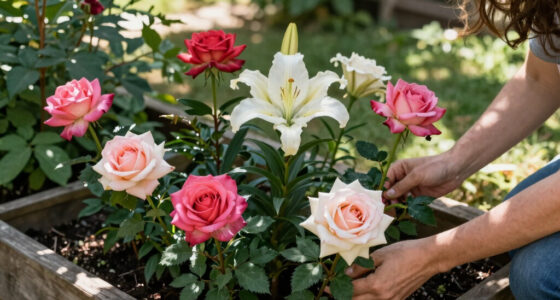
Researchers analyzed historical documents, letters, and garden inventories from the late 18th and early 19th centuries to identify the most common flowers in the gardens of prominent Founding Fathers such as George Washington, Thomas Jefferson, and Benjamin Franklin. They confirmed that eight varieties—roses, tulips, lilies, daffodils, violets, marigolds, phlox, and peonies—were consistently mentioned or documented as popular choices.
These flowers were not only valued for their beauty but also held symbolic meanings, such as patriotism, purity, and resilience, which aligned with the ideals of the new nation. The research was conducted by a team of historians and horticulturists at the Colonial Gardens Project, published in their latest report.
Cultural Insights from Early American Gardens
This discovery sheds light on the personal tastes and cultural values of the Founding Fathers, illustrating how their gardening choices reflected broader societal ideals. The flowers’ symbolic meanings reveal their aspirations for the new nation and their personal identities as leaders and visionaries.
Understanding these preferences helps contextualize early American horticulture and offers inspiration for modern gardeners interested in historical gardening styles. It also underscores the importance of botanical symbolism in shaping American cultural identity.
Products Worth Considering

Arlo Pro Wireless Security Camera, 2K HDR, 6th Gen, 4-Camera Kit

iRobot Roomba Plus 405 Combo Robot Vacuum and Mop with AutoWash Dock

Philips Hue Festavia Permanent Outdoor String Lights, 80 Lights, 150 ft
As an affiliate, we earn on qualifying purchases.
Historical Gardening Practices of the Founding Era
During the late 18th century, gardening was both a leisure activity and a symbol of status and virtue among America’s early leaders. Many of the Founding Fathers, including Jefferson and Washington, kept detailed records of their gardens, which often featured a mix of native and imported flowers.
Prior studies suggested that certain flowers like roses and lilies were popular, but recent research confirms that these eight varieties were particularly prominent. Their presence in multiple gardens indicates shared aesthetic preferences and cultural symbolism common among the elite of that period.
The findings are based on newly examined estate records, personal correspondence, and garden design plans from historic sites and private collections, providing a clearer picture of their horticultural choices.
“The confirmed presence of these eight flower varieties in the gardens of the Founding Fathers highlights their personal tastes and the symbolic language they used in their personal spaces.”
— Dr. Emily Carter, historian specializing in early American culture
Remaining Questions About Garden Arrangements
It is not yet clear how extensively these flowers were cultivated in private versus public gardens, or how their popularity may have varied regionally among the Founding Fathers. Further archival research is needed to determine the full extent of their use and symbolic significance.Next Steps in Historical Horticultural Research
Researchers plan to analyze more personal letters and estate inventories to map regional differences in flower choices and to explore how these flowers were used in ceremonial or social contexts. They also aim to investigate how gardening trends among the Founding Fathers influenced broader American horticultural practices in the early republic.
Further studies may include reconstructing garden layouts or planting guides based on historical descriptions to better understand the aesthetic and symbolic intentions behind these choices.
Key Questions
Which flowers were confirmed as favorites of the Founding Fathers?
The eight confirmed varieties are roses, tulips, lilies, daffodils, violets, marigolds, phlox, and peonies.
How do these flowers reflect the values of the Founding Fathers?
Many of these flowers held symbolic meanings, such as patriotism, purity, and resilience, which aligned with the ideals of the new nation and the personal identities of its leaders.
What sources did researchers use to confirm these flowers’ popularity?
They examined estate records, personal correspondence, garden inventories, and design plans from historic sites and private collections.
Could regional differences affect the popularity of these flowers?
Yes, it remains unclear how regional climate and social factors influenced flower choices, and further research is needed to clarify these variations.
Why is this discovery important for modern gardeners?
It offers historical inspiration and insight into symbolic gardening, helping modern gardeners connect with early American horticultural traditions.
Source: rss