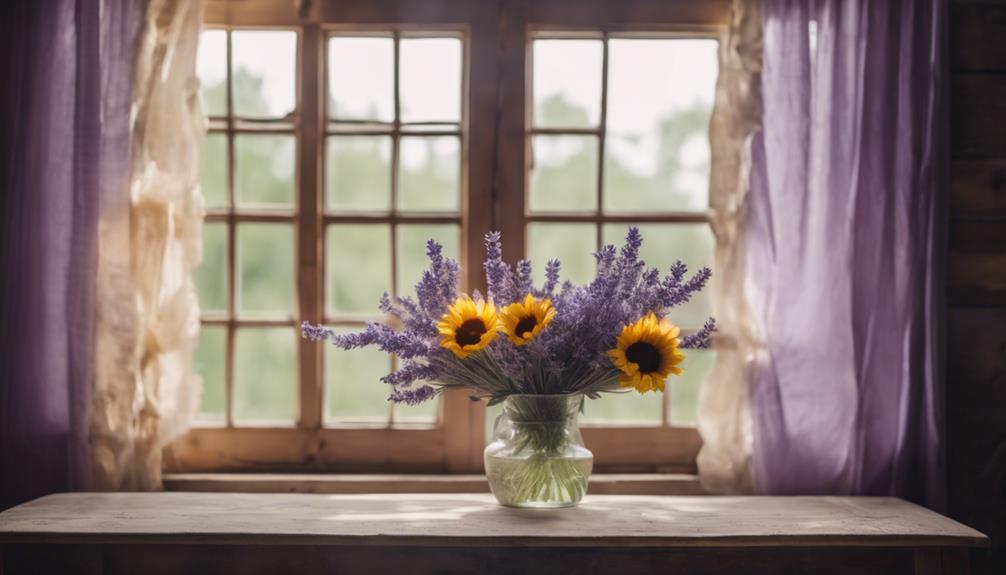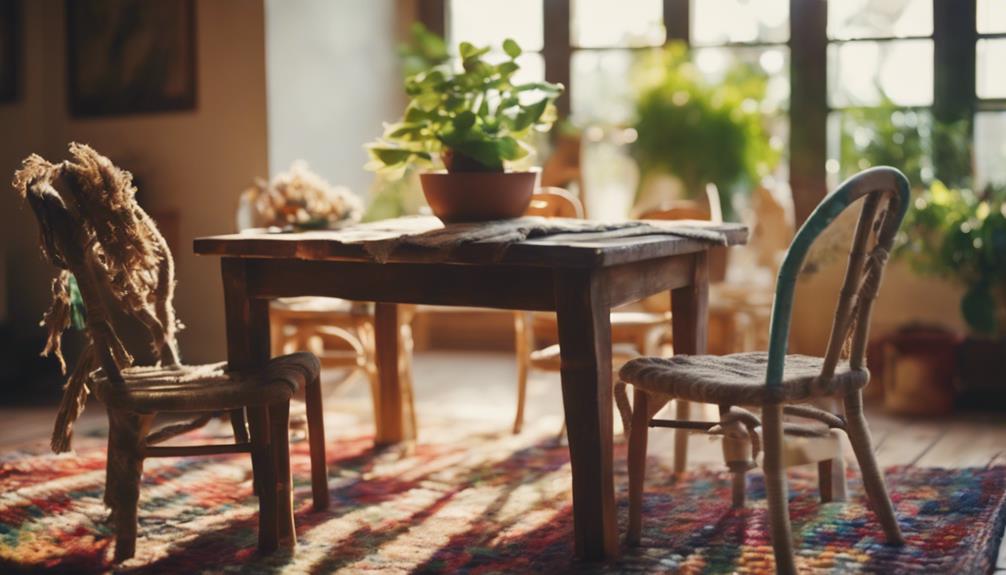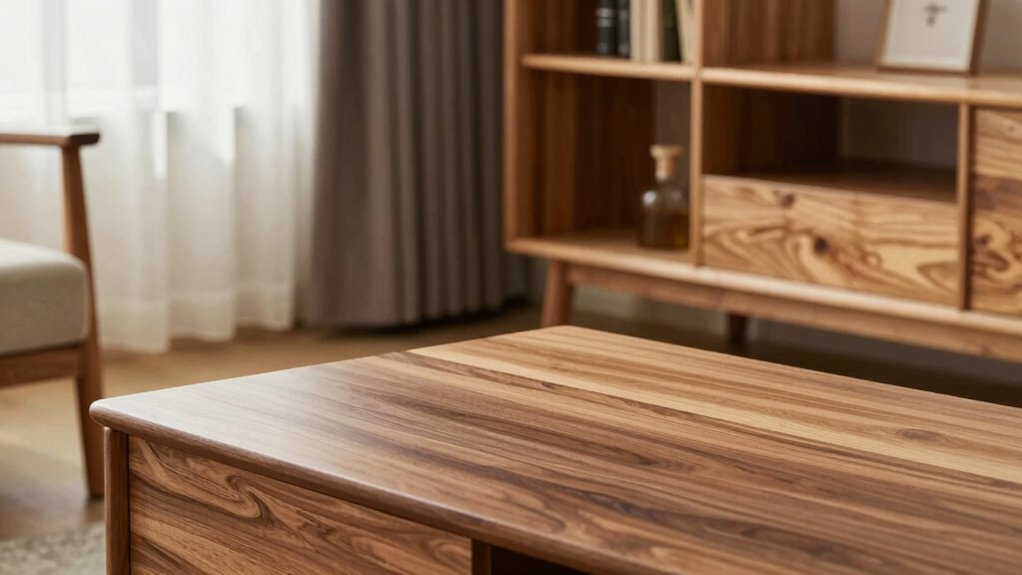

To style mixed wood tones successfully, group similar shades together and balance contrasting shades across the room. Use lighting to highlight warm or cool undertones, creating depth and harmony. Incorporate accessories and textiles in neutral or complementary colors to unify diverse woods. Pay attention to scale and proportion, and avoid scattering pieces randomly. By intentionally pairing and positioning your furniture, you’ll achieve a cohesive, inviting space—if you keep exploring, you’ll discover even more tips to perfect your style.

Get garden gear delivered free — and shop member deals
- Fast, free delivery on millions of items
- Access to Prime Big Deal Days deals on October 6–7
- Prime Video, Amazon Music and more included
Key Takeaways
- Group similar wood tones together to create visual harmony and avoid clutter.
- Use lighting strategically to highlight warm or cool undertones and add depth.
- Balance contrasting wood shades across the room to maintain an inviting, cohesive space.
- Incorporate neutral accessories and textiles to unify diverse wood tones seamlessly.
- Pay attention to scale and proportion for furniture to ensure visual balance and harmony.

Mixing different wood tones in your space can add warmth and visual interest, but it also requires a thoughtful approach to avoid a cluttered look. When you’re working with multiple wood shades, furniture placement becomes key. You want to create a sense of harmony, so avoid scattering dark and light pieces randomly. Instead, group similar tones together or balance contrasting shades across the room. For example, if you have a dark wood dining table, pair it with lighter chairs to create contrast without overwhelming the space. Position your furniture so that the varied wood tones don’t compete but instead complement each other, guiding the eye smoothly around the room.
Group similar wood tones or balance contrasting shades for a harmonious, inviting space.
Lighting effects play a *vital* role in how mixed wood tones are perceived. Natural light can highlight the richness of darker woods and soften lighter ones, creating a balanced look. If your room gets plenty of sunlight, consider placing lighter wood furniture where it can be illuminated to prevent it from looking washed out or flat. Conversely, darker woods benefit from softer, warmer lighting to bring out their depth. Layer your lighting with a mix of ambient, task, and accent lights, aiming to enhance the natural hues of each wood tone. Positioning lamps or fixtures strategically can emphasize the variation in wood shades, tying the room together visually. Additionally, understanding wood undertones** can help you make more intentional choices when combining different shades. Recognizing the visual impact** of these undertones can further refine your design choices and create a more cohesive look.
When you’re mixing wood tones, it’s also smart to pay attention to the undertones. Warm woods with red or golden hues tend to pair well with other warm shades and lighting that enhances their glow. Cooler woods with gray or ash undertones work best with lighting that emphasizes subtlety and creates cohesion. You can further unify the space by adding accessories or textiles in neutral or complementary colors that echo the undertones of your woods. This prevents the room from feeling disjointed, making the different wood tones look intentional rather than accidental. Incorporating color schemes that reflect the undertones can also help tie the overall design together seamlessly. It’s helpful to consider the scale and proportion of your furniture pieces, ensuring they complement each other without overwhelming the space or creating imbalance.
mixed wood tone furniture accent pieces
As an affiliate, we earn on qualifying purchases.
As an affiliate, we earn on qualifying purchases.
Frequently Asked Questions
Can Mixed Wood Tones Make a Small Room Feel Cluttered?
Mixed wood tones can make a small room feel cluttered if you’re not careful, but strategically using wooden accents helps. Stick to a cohesive color palette and vary textures instead of overwhelming the space with too many shades. Keep the furniture and decor simple, and guarantee each piece has a designated spot. This way, you control clutter perception, and your room feels stylish rather than cramped.
What Are the Best Color Palettes to Pair With Mixed Woods?
You can’t go wrong with neutral palettes like beige, gray, or taupe, which create effortless color harmony and balance mixed wood tones beautifully. Earthy greens and soft blues promote tone coordination, adding calmness and cohesion. Bright colors can work if balanced carefully, but sticking to warm or cool neutrals guarantees your room feels unified and inviting. Think of it as a symphony where every color plays its perfect part.
How Do I Prevent Mismatched Woods From Clashing Visually?
To prevent mismatched woods from clashing, focus on achieving wood tone harmony by choosing pieces with complementary undertones, like warm or cool hues. Use visual balance by distributing similar wood tones throughout the room, avoiding concentration in one area. Incorporate neutral accessories or textiles to soften shift. This approach creates a cohesive look, allowing different woods to coexist beautifully without overwhelming the space or creating visual discord.
Is It Better to Match or Mix Wood Tones in a Modern Style?
In a modern style, mixing wood tones can actually add depth and interest, so don’t feel you need perfect matches. Focus on grain variation and finish consistency to create harmony. If your woods share similar undertones, contrasting grains can look intentional and stylish. Embrace variation to keep the space lively, while maintaining a cohesive look through consistent finishes, making your room feel thoughtfully curated rather than mismatched.
How Often Should I Update Mixed Wood Decor to Stay Current?
You should update your mixed wood decor every few years to stay current, especially if you’re into DIY projects and furniture refinishing. Regularly rejuvenating your pieces keeps your space feeling fresh and modern. Consider sanding and re-staining furniture or swapping out accessories to incorporate new wood tones. This way, you maintain a stylish look without overhauling everything, making your decor feel curated and up-to-date over time.
adjustable warm white LED floor lamp
As an affiliate, we earn on qualifying purchases.
As an affiliate, we earn on qualifying purchases.
Conclusion
By mixing wood tones thoughtfully, you create a space that’s warm, inviting, and full of character. Embrace contrast, balance, and harmony to keep your room cohesive. Play with textures, consider undertones, and don’t shy away from experimentation. When you approach styling with confidence, you’ll find that mixed wood tones become a beautiful, intentional statement. Ultimately, your room will reflect your personality while feeling polished, balanced, and uniquely yours.
neutral textured throw pillows for sofa
As an affiliate, we earn on qualifying purchases.
As an affiliate, we earn on qualifying purchases.
As an affiliate, we earn on qualifying purchases.
Fall Picks
fall essentials
As an affiliate, we earn on qualifying purchases.