To style your indoor plants, start by selecting varieties that match your light and humidity levels, ensuring they thrive in your space. Choose decorative containers that complement your decor and focus on proper drainage to keep roots healthy. Arrange plants by size and shape—tall ones on stands, small ones on shelves—to create visual interest. Pay attention to maintenance, and personalize your layout to reflect your style. Explore further tips to master your indoor plant showcase.
Key Takeaways
- Match plant types to your indoor lighting, humidity, and care routine for optimal health.
- Select decorative containers that complement your decor style and ensure proper drainage.
- Arrange plants based on size and growth habits, balancing height and shape for visual interest.
- Group plants with similar care needs to simplify maintenance and create cohesive displays.
- Personalize your space with creative arrangements and container choices reflecting your style.
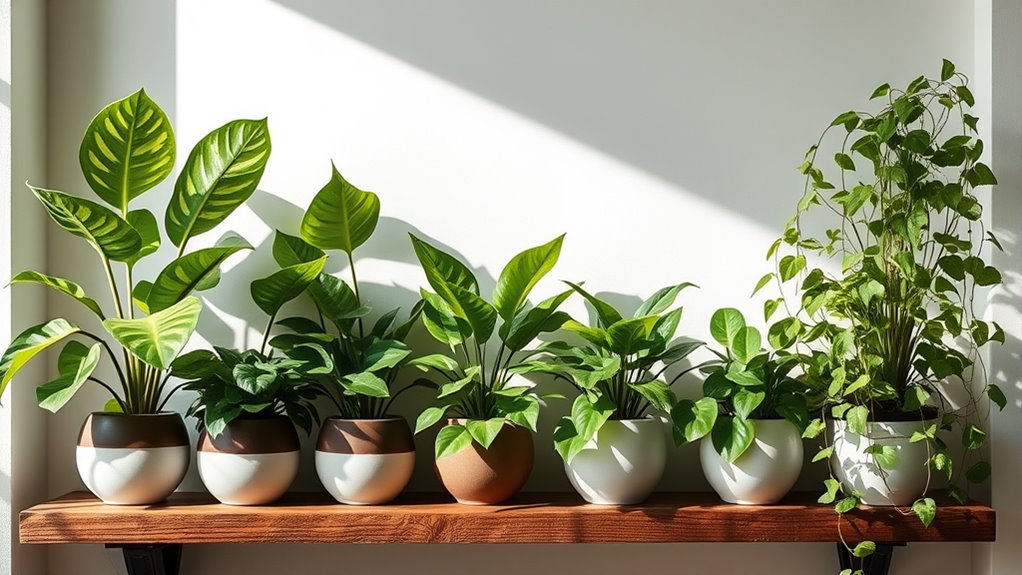
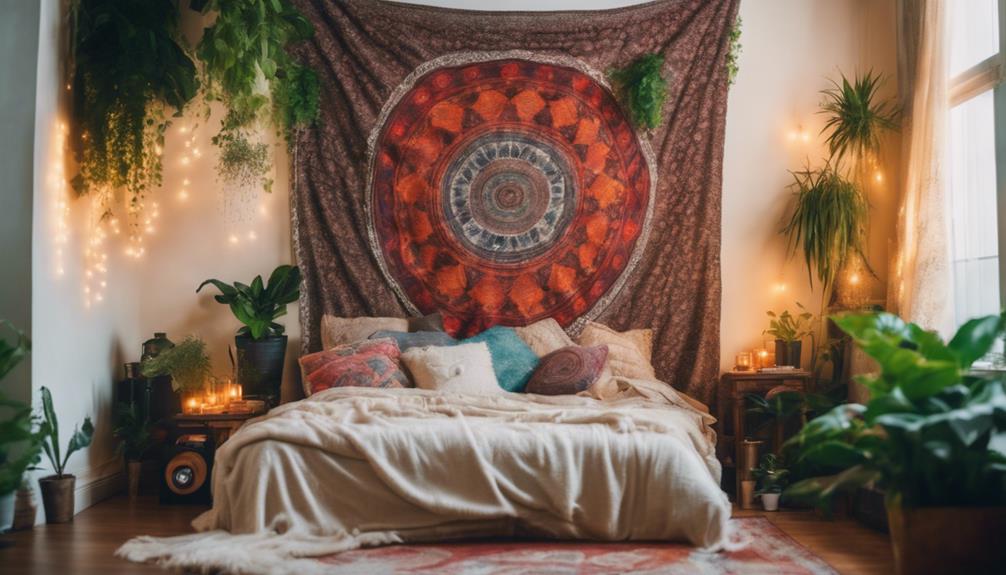
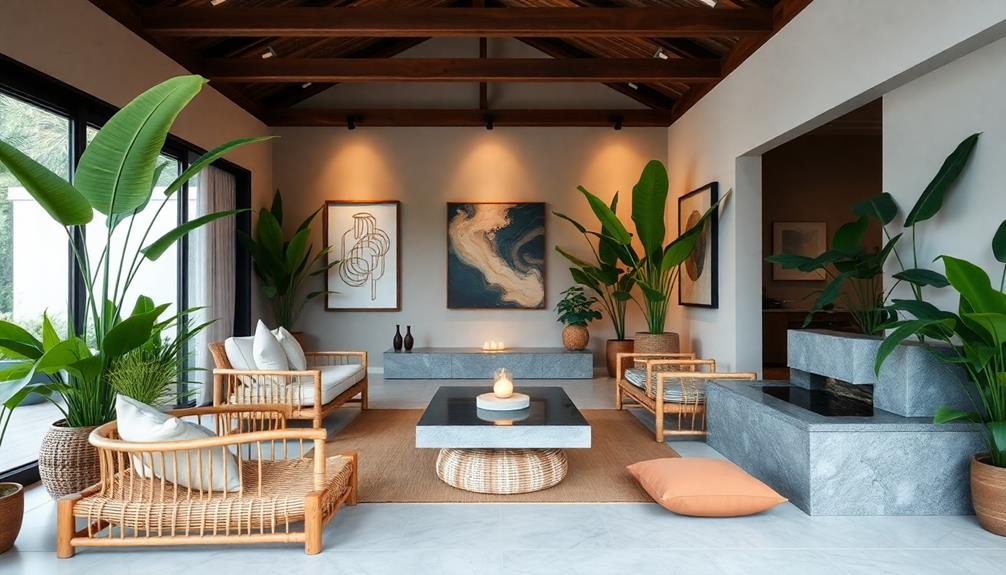
Indoor plant styling transforms your living space into a vibrant, personalized oasis. When you’re choosing plants, it’s vital to consider their specific needs and how they’ll fit into your environment. Think about light levels, humidity, and your schedule for plant care. Some plants thrive in bright, direct sunlight, while others prefer low light or indirect illumination. Matching your lifestyle with the right plant ensures they stay healthy and vibrant. Once you’ve selected your plants, the next step is to think about decorative containers. The containers you choose aren’t just functional—they set the tone for your decor. Whether you prefer sleek ceramic pots, rustic terracotta, or modern geometric planters, pick containers that complement your space’s style. Make certain they have proper drainage to prevent overwatering, which can lead to root rot. Decorative containers can also add visual interest and contrast to your plants, making them stand out and become focal points in your room. When arranging your plants, consider their size and growth habits. Taller plants work well on the floor or on stands to create height, while smaller ones can be grouped on shelves or tabletops. Mixing different sizes and shapes adds depth and variety. Grouping plants with similar care needs together makes plant care easier—you can water them all at once and keep their environments consistent. As you arrange your indoor garden, pay attention to balance and spacing. Avoid cluttering a single area; instead, distribute plants evenly across your space to create a natural, inviting look. Use varying heights and containers to add visual interest and prevent monotony. Regular plant care is vital for maintaining their health and appearance. This includes watering according to each plant’s needs, pruning dead or yellowing leaves, and wiping dust off their leaves for better photosynthesis. Proper plant care also involves fertilizing periodically to provide essential nutrients. Additionally, understanding the specific needs of certain plants can help you optimize their growth and longevity. When you’re styling your indoor plants, think of the containers and arrangement as an extension of your personal style. Bold, colorful pots work well in lively, eclectic spaces, while minimalist, monochrome containers suit modern interiors. Keep your plants accessible for ongoing maintenance, but also be deliberate with their placement to enhance your overall decor. With thoughtful selection, creative arrangement, and consistent plant care, your indoor garden will thrive and bring a fresh, lively energy to your home. Remember, the key is to curate a space that reflects your personality while making certain your plants remain healthy and beautiful.
Frequently Asked Questions
How Do I Choose Plants for Low-Light Spaces?
When selecting plants for low-light spaces, you should focus on those with low plant light requirements, like snake plants, pothos, or ZZ plants. Use plant placement strategies that maximize available light, such as placing plants near windows or in bright corners, even if indirect. Keep in mind, these plants thrive in low light and require minimal maintenance, making them perfect for shaded areas in your home.
What Are the Best Plants for Air Purification?
You might think air purifier plants are hard to care for, but many are easy and highly effective. Consider snake plants, pothos, and peace lilies—they’re known as toxin removing greenery that cleans your indoor air. These air purifier plants absorb pollutants, improve air quality, and add beauty to your space. Incorporate them into your home for a healthier environment without much effort, and enjoy the fresh, clean air they provide.
How Often Should I Water Different Houseplants?
You should water your houseplants based on their specific watering schedule and hydration needs. Typically, most plants thrive with watering once a week, but some require more frequent attention, especially in warmer months. Check the soil moisture regularly—if it feels dry an inch below the surface, it’s time to water. Overwatering can harm your plants, so always guarantee proper drainage and adjust your watering routine accordingly.
How Can I Prevent Pests on Indoor Plants?
To prevent pests on your indoor plants, regularly inspect them for signs of trouble, and keep leaves clean with a gentle spray. Use pest prevention techniques like maintaining proper humidity and avoiding overwatering. For organic pest control methods, try neem oil or insecticidal soap, which are safe and effective. These steps help keep pests at bay and protect your houseplants naturally, ensuring they stay healthy and vibrant.
What Are Creative Ways to Display Small Houseplants?
Like a painter with a canvas, you can craft unique plant shelf styling and hanging plant displays. Use vintage teacups, glass terrariums, or colorful pots to add charm. Mix and match heights, textures, and container styles for visual interest. Hang plants from macramé hangers or install wall-mounted planters. These creative arrangements make small houseplants stand out and turn your space into a lively, artful indoor jungle.
Conclusion
Now that you’ve mastered indoor plant styling, your space will transform into a lush, jungle paradise so vibrant and alive, it’ll feel like stepping into a secret botanical wonderland. Your houseplants will thrive and grow so wildly, they’ll practically take over, making your home the envy of every plant enthusiast. Get ready for a stunning, breathtaking oasis that bursts with color, texture, and life—your home will become the most incredible indoor haven anyone has ever seen!