
TL;DR

Get garden gear delivered free with Prime
- Fast, free delivery on millions of items
- Prime Video, Amazon Music and more included
- Member-only deals all year
A Laidback Gardener report published Oct. 8 describes how latex, a fluid produced by many plants, differs from ordinary sap and can seal wounds or deter feeding insects. It also warns that some latex, including milkweed’s, can be hazardous; the report recommends gloves and keeping hands away from the face when handling milkweed pods.
A Laidback Gardener report published Oct. 8 explains how latex released by damaged plants can seal wounds and deter insects, while warning that some plant fluids can harm people. The report distinguishes latex from ordinary sap and advises gardeners handling milkweed pods to wear gloves and keep their hands away from their eyes.
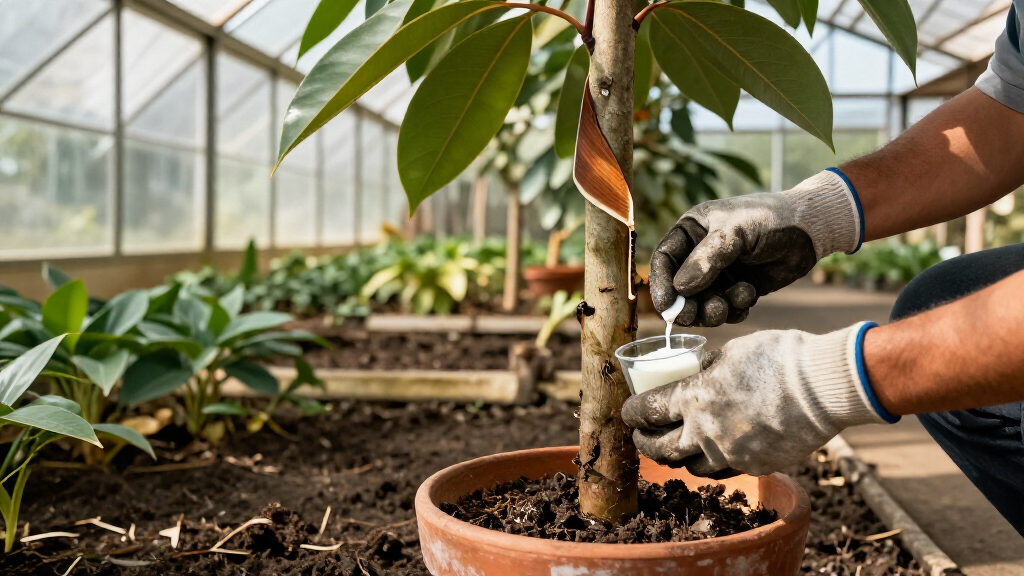
Latex is not sap in the usual sense, according to the report. Sap carries water and sugars through a plant’s main transport system; latex moves through separate structures called laticifers. The report describes this network as pressurized, allowing latex to flow from a cut or bite. When exposed to air, it can coagulate and form a covering over the damaged area, helping seal the wound.
The report says at least 20,000 plant species across more than 40 families produce latex. The trait evolved independently in different groups, rather than being limited to one related set of plants. Some milkcap mushrooms also release a milky fluid when their tissue is broken, though they are fungi, not plants.
Latex can also interfere with insects feeding on plants. The report describes monarch caterpillars and red milkweed beetles cutting leaf veins before eating, which drains latex and reduces its flow to the feeding area. It also notes a Florida study of another milkweed species in which about 30% of newly hatched monarch caterpillars died after becoming trapped in latex. The source does not provide the study’s date or further methodological details.
Latex Defends Plants—and Can Harm
The report matters to gardeners because a plant’s milky or colored fluid is not simply harmless sap. Latex can help a plant close a wound and discourage pests, but some varieties carry risks for people who handle them. The account says milkweed latex can irritate the eye: if it gets into the eye, it can cause corneal swelling and blurred vision that may last several days.
That warning is relevant in autumn, when common milkweed pods split and release seeds on silky hairs that people may gather for seasonal decorations. The report advises wearing gloves and keeping hands away from the face. It also says milkweed contains compounds that can interfere with a cellular process regulating salt movement, potentially affecting heart rhythm if ingested. The report does not offer a dose or medical guidance, so readers should not treat the article as a substitute for professional advice.
The insect examples show another side of the same defense: latex can trap or obstruct small feeders, while some insects have behaviors that limit exposure. These examples describe natural interactions; they do not establish that all latex-producing plants or insects behave alike.
Products Worth Considering

Dreame H12 Pro Wet and Dry Vacuum Mop

Shark HydroVac MessMaster Corded Wet Dry Vacuum and Mop (WD161)

Philips Hue Essential Starter Kit with Bridge and 4 E26 Smart Bulbs
As an affiliate, we earn on qualifying purchases.
From Dandelion Drops to Milkweed
The report opens with a familiar garden observation: a broken dandelion stem can release a sticky white drop that darkens as it dries and may stain fingers. It uses this as an entry point to explain that latex travels through laticifers rather than the plant’s ordinary sap system. The comparison to blood is figurative: latex can clot over a wound, but it is not animal blood.
Its seasonal examples include common milkweed, Asclepias syriaca, whose pods open in October, and greater celandine, Chelidonium majus, which releases bright orange latex when a stem is broken. The supplied source material ends during its description of greater celandine, so it does not provide the rest of that plant’s account or further safety information about it.
The report also describes how monarch caterpillars and red milkweed beetles cut veins before feeding. These behaviors can reduce latex reaching the feeding site, illustrating why a plant defense may shape how insects eat. The account identifies the beetle as Tetraopes tetrophthalmus and says its larvae feed on milkweed roots before overwintering underground.
““Latex has its own network: the laticifers.””
— Laidback Gardener report
Limits of the Report’s Evidence
The report does not identify the specific Florida study by title, date or researchers, and gives no information about its sample size or conditions. Its estimate that about 30% of newly hatched caterpillars died applies to the study described and another milkweed species; it should not be read as a general mortality rate for monarchs or all milkweeds.
The supplied source ends partway through its greater celandine section. It therefore does not establish what further claims the original article makes about that plant, nor provide a complete account of the hazards of its orange latex. The report also does not specify how much milkweed latex would need to be ingested to cause harm or offer clinical instructions for exposure.
Handling Plants With Care
For gardeners handling milkweed pods, the report’s immediate advice is to wear gloves and avoid touching the face. Anyone who gets plant latex in an eye should seek appropriate medical guidance, particularly if irritation or blurred vision occurs; the source notes the risk but does not provide treatment instructions.
The article is an explanatory report, not an announcement of a new study or policy, and it gives no future publication or research milestone. Further assessment of its insect-mortality figure would require the study details that are absent from the supplied material. Until then, the reported percentage should remain tied to that specific, incompletely described study.
Key Questions
Is the white fluid from a dandelion ordinary sap?
No. The report says dandelion latex travels through laticifers, a separate network from the system that carries water and sugars as sap.
Why does latex come out when a plant is cut?
According to the report, the latex network is under pressure. Damage releases the fluid, which can coagulate in air and help seal the wound.
Can milkweed latex harm people?
The report says milkweed latex can cause corneal swelling and blurred vision if it gets into the eyes. It also describes compounds that may affect heart rhythm if ingested, without specifying a harmful dose.
What precautions does the report recommend for collecting milkweed pods?
It advises wearing gloves and keeping hands away from the face, because latex can remain on the hands and may irritate the eyes.
Do monarch caterpillars feed on latex-producing plants without protection?
The report says monarch caterpillars can cut or trench leaf tissue to drain latex before feeding. It also cites a Florida study in which about 30% of newly hatched caterpillars died after getting trapped in latex from another milkweed species; details of that study are not included in the supplied material.
Source: rss