
TL;DR

Get garden gear delivered free — and shop member deals
- Fast, free delivery on millions of items
- Access to Prime Big Deal Days deals on October 6–7
- Prime Video, Amazon Music and more included
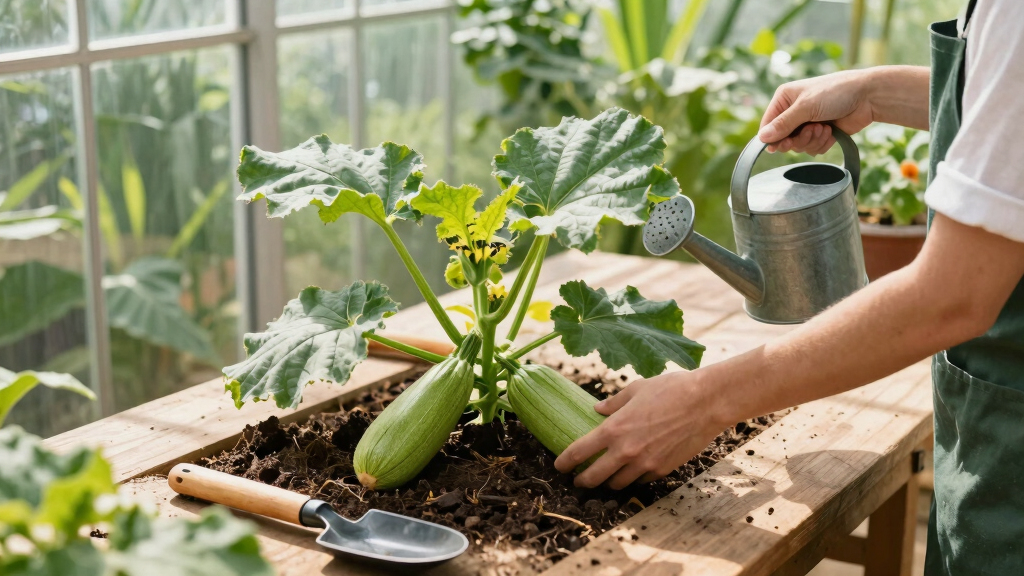
Many gardeners find their zucchini plants produce only small, underdeveloped fruits. Experts identify pollination issues as the main cause and recommend hand-pollination as a straightforward solution to boost fruit development.
Many home gardeners are frustrated to find their zucchini plants produce only small, misshapen, or dud fruits, despite healthy-looking plants. Experts confirm that inadequate pollination is the primary cause and that a simple hand-pollination technique can significantly improve fruit size and yield.
According to horticultural specialists, the main reason zucchini plants fail to produce proper fruits is poor pollination. This problem is especially common in urban or shaded gardens, where natural pollinators like bees may be scarce. When pollination is insufficient, female flowers develop into small, undeveloped fruits, often called ‘duds.’
Gardeners can identify this issue by observing flowers: if female flowers are blooming but no fruit is forming, pollination likely is the problem. The solution, as recommended by experts, is to manually transfer pollen from male flowers to female flowers using a soft brush or by hand, a process known as hand-pollination. This simple step can dramatically increase the size and number of healthy zucchinis.
Why Inadequate Pollination Limits Zucchini Harvests
This issue matters because it directly impacts home gardeners’ ability to enjoy fresh zucchini. Small or dud fruits mean wasted time and effort, reducing the harvest and discouraging cultivation. Understanding and addressing pollination problems can lead to more abundant, nutritious yields, making gardening more rewarding and productive.
As an affiliate, we earn on qualifying purchases.
Factors Contributing to Poor Zucchini Pollination
Many gardeners are unaware that natural pollination depends heavily on bees and other insects, which can be scarce in urban settings or during certain weather conditions. Additionally, environmental factors such as high temperatures, rain, or lack of flowering can hinder pollinator activity. Historically, gardeners relied on bees for pollination, but declining bee populations and changing climates have increased the need for manual intervention in some areas.
“When zucchini flowers are blooming but no fruit develops, it’s almost always a pollination issue. Hand-pollination is a simple and effective fix that can save your harvest.”
— Dr. Emily Carter, horticulturist at GreenGrow Labs
As an affiliate, we earn on qualifying purchases.
Uncertainties About Long-Term Solutions and Environmental Factors
While hand-pollination is proven to work in the short term, it is unclear how environmental changes like climate shifts or declining pollinator populations will affect zucchini yields over multiple seasons. Additionally, the effectiveness of other solutions, such as planting pollinator-friendly flowers nearby, remains under study.
As an affiliate, we earn on qualifying purchases.
Next Steps for Gardeners and Researchers
Gardeners are encouraged to try hand-pollination techniques during their next growing season and monitor results. Researchers are investigating ways to attract more natural pollinators and develop resilient plant varieties that require less manual intervention. Further studies may clarify best practices for sustainable zucchini cultivation amid changing environmental conditions.
As an affiliate, we earn on qualifying purchases.
Key Questions
How do I hand-pollinate my zucchini plants?
Pick a healthy male flower, remove its petals, and use a soft brush or your finger to collect pollen. Transfer the pollen to the stigma of a female flower, which can be identified by its small swelling at the base of the flower.
When is the best time to hand-pollinate zucchini flowers?
Hand-pollinate early in the morning when flowers are fully open and receptive for best results.
Will hand-pollination harm my plants?
No, it is a safe technique that mimics natural pollination and can improve fruit development without harming the plants.
Can planting flowers attract more pollinators?
Yes, planting bee-friendly flowers nearby can help increase natural pollination, but it may not fully resolve issues in all environments.
Is this problem common in all regions?
It is more common in urban or shaded areas with fewer pollinators, but gardeners in various regions may experience it depending on local environmental conditions.
Source: rss
Fall yard work Picks
leaf blowers
As an affiliate, we earn on qualifying purchases.