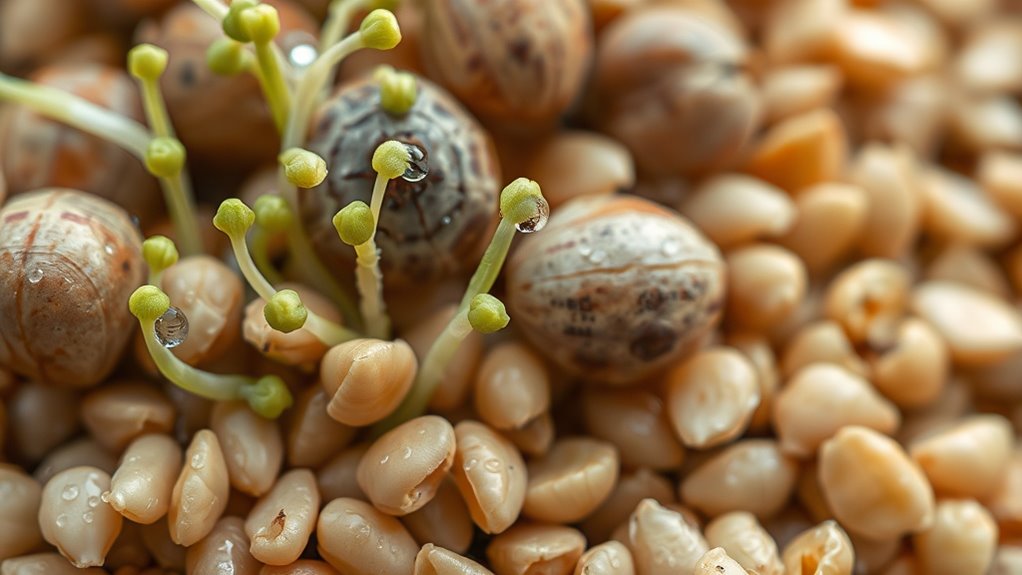

Sprouted grains are indeed healthier because they become easier to digest, and their nutrient levels increase—especially vitamins like B and C, along with antioxidants. Sprouting reduces antinutrients like phytic acid, making minerals like iron and zinc more accessible, which improves absorption. They also develop a richer flavor and better texture, supporting digestion and gut health. Want to discover how these benefits can fit into your diet? Keep exploring to learn more.

Get garden gear delivered free — and shop member deals
- Fast, free delivery on millions of items
- Access to Prime Big Deal Days deals on October 6–7
- Prime Video, Amazon Music and more included
Key Takeaways
- Sprouted grains offer increased nutrients like vitamins, minerals, and antioxidants due to enzyme activation during germination.
- They reduce antinutrients such as phytic acid, improving mineral absorption and overall digestibility.
- Sprouted grains develop a nuttier flavor and better texture, making them more palatable and easier on digestion.
- The germination process enhances enzymatic activity, supporting fermentation and beneficial gut bacteria growth.
- Incorporating sprouted grains can improve nutrient bioavailability, promoting better digestion and overall health.
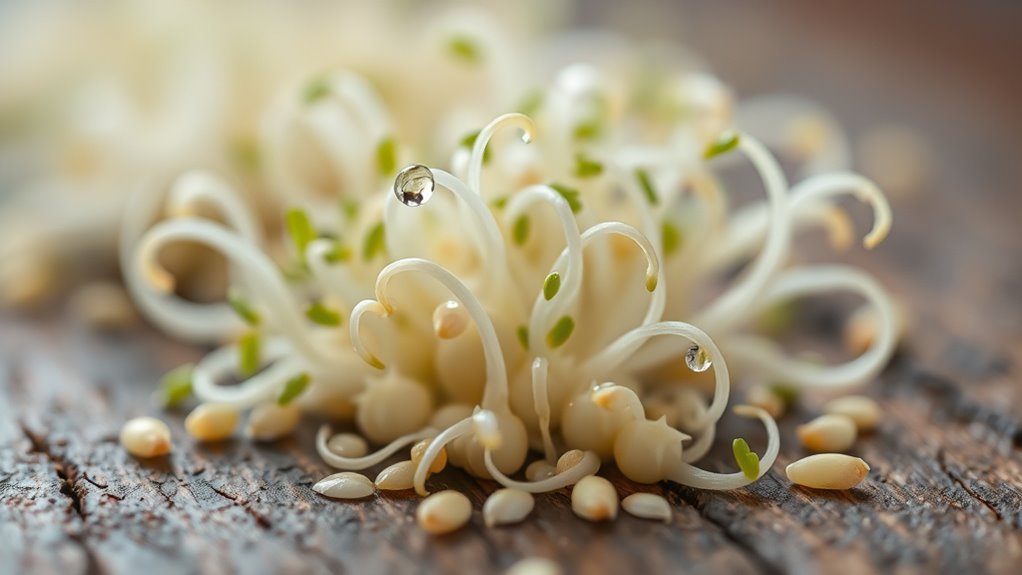
Sprouted grains are gaining popularity as a nutritious alternative to traditional grains, offering enhanced digestibility and increased nutrient availability. When you choose sprouted grains, you’re tapping into a process that *release* many fermentation benefits, which can make these grains easier to digest and more nutrient-dense. During sprouting, the grains begin to germinate, activating enzymes that break down complex starches and proteins. This transformation not only reduces antinutrients like phytic acid but also boosts the bioavailability of essential vitamins and minerals. As a result, sprouted grains can provide you with higher levels of nutrients such as B vitamins, vitamin C, and certain antioxidants compared to their unsprouted counterparts.
Understanding the nutritional differences between sprouted and traditional grains can help you make better dietary choices. Sprouting can increase the amount of soluble fiber, which aids digestion and helps stabilize blood sugar levels. It also decreases levels of compounds that can interfere with mineral absorption, like phytic acid, making minerals such as iron, zinc, and magnesium more accessible to your body. Because of these changes, many people find that sprouted grains sit better in their stomach and cause less bloating or discomfort. Additionally, sprouting can enhance the flavor and texture, giving you a nuttier, fresher taste that can elevate your meals. Incorporating bioavailability into your diet through sprouted grains can significantly improve your body’s absorption of vital nutrients.
The fermentation benefits of sprouted grains are also significant. As the grains germinate, they develop natural enzymes that encourage fermentation when prepared properly. These enzymes can help break down carbohydrates into simpler sugars, which may promote beneficial gut bacteria. Consuming sprouted grains that have undergone fermentation or are prepared in a way that encourages fermentation can further improve digestion and nutrient absorption. This process can also reduce the presence of potentially harmful microbes, making sprouted grains safer and more beneficial for gut health.
Top picks for "sprout grain really"
As an affiliate, we earn on qualifying purchases.
Frequently Asked Questions
Do Sprouted Grains Have a Longer Shelf Life Than Regular Grains?
You wonder if sprouted grains last longer than regular grains. Generally, sprouted grains have a shorter shelf life because they contain more moisture, which can promote mold and spoilage. Proper storage conditions, like keeping them in airtight containers in a cool, dry place, are essential. Regular grains tend to last longer due to lower moisture content. So, if you want longer shelf life, proper storage is key, especially for sprouted grains.
Are Sprouted Grains Suitable for People With Gluten Sensitivities?
Given your gluten sensitivities, you might wonder if sprouted grains suit you. Sprouted grain benefits include improved digestibility, but they aren’t automatically gluten-free. You need to scrutinize labels to find gluten-free options, as some sprouted grains still contain gluten. While sprouted grains can be a healthier choice, they aren’t guaranteed safe for celiac or gluten-sensitive individuals. Always double-check to avoid unintended gluten exposure.
How Do Sprouted Grains Compare Nutritionally to Cooked Grains?
You’ll find that sprouted grains offer notable nutritional differences compared to cooked grains, like higher levels of vitamins, antioxidants, and enzymes. These benefits can enhance digestion and nutrient absorption, giving you better digestive benefits. Sprouting breaks down starches and antinutrients, making the grains easier to digest and potentially more nutritious. Overall, sprouted grains provide a more nutrient-dense option that supports your digestive health better than traditional cooked grains.
Can Sprouted Grains Help With Specific Health Conditions?
Like a key opening a door, sprouted grains can support your health. They may aid diabetes management by offering a lower glycemic index and improve digestive health through increased enzyme activity. If you’re looking for natural ways to boost your well-being, incorporating sprouted grains might help manage blood sugar levels and soothe your gut. Always consult your healthcare provider to see if they fit into your specific health plan.
Are There Any Risks or Side Effects Associated With Sprouted Grains?
You should know that sprouted grains may pose some risks, like allergic reactions if you have sensitivities. Additionally, they can carry microbial contamination if not handled properly, which might lead to foodborne illnesses. To stay safe, buy from reputable sources, wash thoroughly, and consider cooking them before eating. If you have allergies or a compromised immune system, it’s best to consult your healthcare provider before adding sprouted grains to your diet.
Conclusion
So, next time you reach for those sprouted grains, picture tiny green shoots bursting through rich, dark soil, promising vitality with every bite. Their delicate sprouts remind you of fresh beginnings, making your meal not just nourishing but alive. Embrace the crunch and freshness, knowing you’re fueling your body with nature’s own promise of health. With each sprouted grain, you’re inviting a small but mighty burst of nature’s goodness into your day.
Fall yard work Picks
leaf blowers
As an affiliate, we earn on qualifying purchases.