TL;DR

Get garden gear delivered free with Prime
- Fast, free delivery on millions of items
- Prime Video, Amazon Music and more included
- Member-only deals all year
A Homes and Gardens report describes five ways to put leftover Halloween pumpkin seeds to use: save them for planting, compost them, roast them for food, offer small amounts to birds or make seed brittle. The suggestions include practical cautions about drying seeds before storage, preventing compost seeds from sprouting, and avoiding salt when feeding birds.
Homes and Gardens has outlined five ways to reuse pumpkin seeds left after Halloween: save them for next year’s garden, add them to compost, roast them as a snack, offer them to birds or make brittle. The report gives household-level instructions and cautions, including drying seeds fully before storage and serving birds only small amounts of unseasoned seeds.
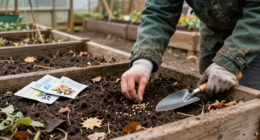
For planting, the report recommends saving seeds from heirloom pumpkins, rather than hybrids, because the resulting plants may not reliably match a hybrid parent. Rinse seeds to remove pulp, dry them in a single layer for several days, then store them in paper envelopes or glass jars. Seeds must be fully dry before storage to reduce the risk of mold.
Seeds can also go into a compost pile along with pumpkin flesh, skin, stems and foliage. The report advises boiling or crushing seeds first to reduce the chance they will sprout. It says heat can kill seeds, but notes that a compost pile needs to remain above 130°F for an extended period to reliably prevent most seeds from surviving—a condition that can be difficult to achieve in a cold compost heap.
For a snack, wash and dry the seeds, spread them on a baking sheet, add a little olive oil and roast at 300°F for 30 to 45 minutes, tossing them halfway through, until golden. The report says they can be eaten after cooling or stored in an airtight container for up to two weeks. Other options are to crush seeds into smaller pieces for birds, serving them plain or mixed with other seed, or combine cleaned, dried seeds with cooked butter and sugar to make brittle.
Practical Uses Beyond Carving
The suggestions offer households alternatives to throwing away seeds when pumpkins are carved or cooked. Using them for food, planting or compost can make more use of the pumpkin, while offering seeds to birds provides another possible use for a small portion.
The advice also points to trade-offs. Seeds saved for planting need careful drying and storage; seeds placed in compost may germinate if they are not treated; and bird food can spoil in wet weather. The report recommends putting out small amounts at a time to limit waste and reduce the chance of attracting other wildlife. These are practical suggestions, not a guarantee of a particular gardening, nutrition or wildlife outcome.
Products Worth Considering

Levoit Vital 100S-P Air Purifier for Home and Pets

TCL T7 Series 85-Inch 4K 144Hz QLED Smart Google TV

Dyson V8 Cyclone Cordless Vacuum
As an affiliate, we earn on qualifying purchases.
From Halloween Waste to Reuse
The report frames the ideas around the pumpkin waste generated by seasonal carving and cooking. Its five uses span the kitchen, garden and bird-feeding area, so readers can choose based on how many seeds they have and whether they want to eat, plant or compost them.
The advice is drawn from a Homes and Gardens article about reusing pumpkin seeds. It is not a controlled comparison of the five methods, and the source does not provide research data on how much waste households could avoid by using them.
Limits of the Seed Advice
The source does not provide a publication date, cite independent studies for its nutrition statements, or specify how roasting changes nutrient levels. Its directions are general household guidance; results can vary with seed size, oven performance, pumpkin variety and storage conditions.
Planting saved seeds also does not guarantee a particular pumpkin crop. The report warns that seeds from hybrid pumpkins may not produce plants matching the parent, while even heirloom seeds depend on growing conditions. The compost temperature guidance is presented as a way to prevent most seeds surviving when sustained, but the source gives no specific duration for reaching that temperature.
Choosing a Use for Your Seeds
After removing seeds from a pumpkin, readers can separate them by intended use: clean and dry those to store or roast, crush or boil those headed for compost, and keep any bird portions plain and small. The report offers no scheduled follow-up or new development; the next step is simply applying the chosen method, while checking that seeds are dry before storage and that compost or outdoor feeding conditions are suitable.
Key Questions
What are five ways to use leftover pumpkin seeds?
The report suggests saving them to plant, adding them to compost after boiling or crushing, roasting them for snacks, feeding small amounts to birds, or making brittle.
How should pumpkin seeds be dried before storage?
Rinse away pulp, spread the seeds in a single layer on a dry paper towel and leave them for several days. The report says they should be fully dry before storage to reduce mold risk.
Can pumpkin seeds be roasted for a snack?
Yes. The report recommends washing and drying them, adding a little olive oil, then roasting at 300°F for 30 to 45 minutes and tossing halfway through. Let them cool before eating or storing.
Are pumpkin seeds suitable for birds?
The report says they can be offered raw or roasted, but roasted seeds should not be salted or seasoned. Crushing them can make them easier for smaller birds to eat; offer small amounts because seeds can spoil in wet weather.
Will seeds in compost grow into pumpkin plants?
They may sprout if they remain viable. The report recommends boiling or crushing seeds before composting to reduce that possibility, rather than relying on a compost pile to reach and sustain temperatures high enough to kill them.
Source: homesandgardens.com