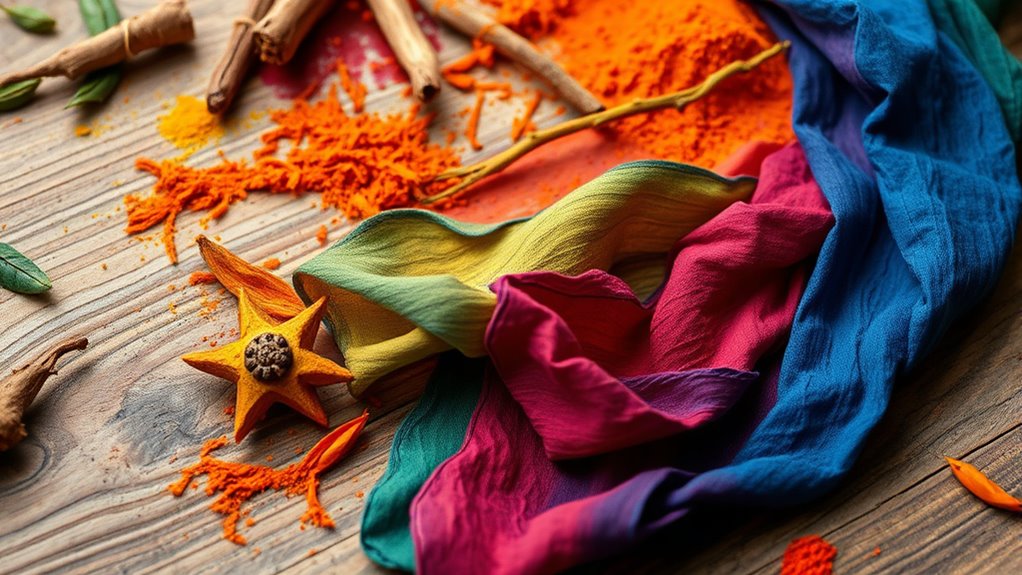

You can color fabrics naturally by extracting dyes from plants and spices through simmering, which releases vibrant pigments. You then fix these colors onto the fabric using mordants like alum or iron, which enhance color fastness. Different plants and mordants produce a wide range of beautiful shades, making each project unique. As you explore natural dyeing, you’ll discover how plant sources, mordants, and techniques influence your colors—if you continue, you’ll find even more ways to create stunning, eco-friendly textiles.

Get garden gear delivered free with Prime
- Fast, free delivery on millions of items
- Prime Video, Amazon Music and more included
- Member-only deals all year
Key Takeaways
- Natural dyeing uses plant and spice extracts to create eco-friendly, vibrant fabric colors without synthetic chemicals.
- Extract pigments by simmering plant materials such as flowers, leaves, or bark in water for effective dye release.
- Mordants like alum or iron fix dyes onto fabrics, enhancing color fastness and enabling varied shades.
- Different plants and spices produce diverse hues, and mordant combinations can expand the color palette.
- The process involves experimentation, patience, and understanding of plant sources, fibers, and mordant techniques for best results.
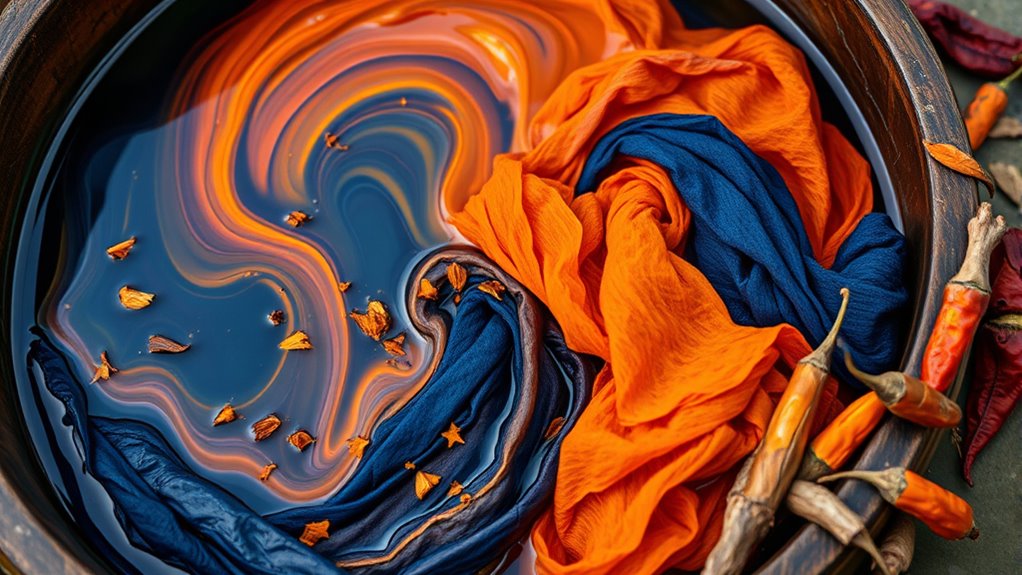
Have you ever wondered how to add vibrant color to your fabrics without relying on synthetic dyes? Natural dyeing offers a beautiful, eco-friendly alternative, and it all begins with understanding plant extraction and mordant techniques. When you use plant extraction, you’re essentially pulling out the natural pigments stored in flowers, leaves, roots, or bark. This process involves simmering plant material in water, releasing the dye compounds into the solution. The key is to extract enough pigment to produce rich, lasting colors on your fabric. Once you have your dye bath prepared, you can dip your fabric in, watch the color develop, and achieve stunning results without harmful chemicals.
Discover how plant extraction brings vibrant, natural colors to textiles without harmful chemicals.
Mordant techniques are equally important in natural dyeing because they help fix the dye onto the fabric, ensuring it stays vibrant through multiple washes. Mordants are substances that bind with the dye molecules and the fibers, improving color fastness and sometimes even altering the hue. Common mordants include alum, iron, and tannic acid, each creating different effects. For example, alum tends to brighten colors, while iron can deepen or darken shades. To use a mordant, you typically pre-soak your fabric in a mordant bath before dyeing. This step is vital because it primes the fibers, making them more receptive to the plant pigments and helping you achieve more consistent, vivid colors.
When you’re working with plant extraction, it’s helpful to experiment with different plant sources to discover a wide palette of colors. For instance, indigo leaves produce deep blue, madder roots yield reds, and turmeric offers warm yellows. Combining these with various mordants can produce shades that range from soft pastels to intense hues. Keep in mind that the type of fiber matters too; cellulose fibers like cotton and linen absorb dyes differently than protein fibers like wool and silk. Adjusting mordant techniques based on the fabric can make a significant difference in the final result.
Natural dyeing is not just about the colors—it’s also about the process. It’s a practice rooted in patience and experimentation. As you learn to extract plant dyes and master mordant techniques, you gain a greater understanding of the natural world and how to work harmoniously with it. With practice, you’ll be able to create beautiful, vibrant textiles that are both sustainable and unique. So, take your time, gather your plant materials, and start exploring the rich, colorful possibilities that natural dyeing has to offer. Understanding the dye extraction process and mordant application techniques can greatly enhance your results and expand your creative potential.
As an affiliate, we earn on qualifying purchases.
Frequently Asked Questions
How Long Do Naturally Dyed Fabrics Last Compared to Synthetic Dyes?
Naturally dyed fabrics typically last about 1-3 years, depending on fiber longevity and how you care for them. While synthetic dyes often offer superior colorfastness durability, natural dyes can fade faster with frequent washing or exposure to sunlight. However, proper mordanting and gentle washing can extend their vibrant life. You’ll find that with careful handling, natural dyes can be quite durable, though they generally don’t match the long-lasting brilliance of synthetic dyes.
Can Natural Dyes Be Used on Delicate or Synthetic Fabrics?
Ever wondered if natural dyes work on delicate or synthetic fabrics? The truth is, they can, but success depends on the fabric’s plant fiber content and dye absorption ability. Natural dyes tend to bond best with natural fibers like cotton or linen, which absorb color well. Synthetic fabrics may require mordants or pre-treatment to hold dye, but over time, natural dyes might fade faster on delicate or synthetic materials.
Are Natural Dyes Safe for Sensitive Skin or Allergies?
Natural dyes are generally safe for sensitive skin and hypoallergenic concerns, but you should always test a small fabric patch first. Since skin sensitivity varies, some people might experience reactions to certain plant-based dyes. If you have allergies or very sensitive skin, select dyes made from gentle, known hypoallergenic plants like chamomile or indigo. Always check ingredients and do a patch test to guarantee safe, comfortable wear.
What Are the Environmental Benefits of Natural Dyeing?
Did you know natural dyeing reduces water use by up to 90% compared to synthetic dyes? You’ll benefit from plant-based sustainability and eco-friendly color extraction, which minimize chemical runoff and pollution. By choosing natural dyes, you help conserve water, reduce chemical waste, and lower your carbon footprint. This eco-conscious approach supports a healthier planet while creating vibrant, unique fabrics that celebrate nature’s beauty.
How Can I Fix Natural Dyes to Prevent Fading?
To prevent fading, you should fix natural dyes using mordants like alum or iron, which help set the color securely. Make sure to thoroughly mordant your fabric before dyeing, and use dye setting techniques such as heat or steaming to enhance color durability. Rinsing your fabric gently after dyeing and washing it in cold water also helps maintain the vibrancy of your natural dyes over time.
eco-friendly mordant for fabric dyeing
As an affiliate, we earn on qualifying purchases.
As an affiliate, we earn on qualifying purchases.
Conclusion
Now that you’ve learned about natural dyeing, you’re ready to transform plain fabrics into vibrant works of art using plants and spices. Think of it like brewing a magic potion—simple ingredients coming together to create stunning colors. With patience and a little experimentation, you’ll find joy in each unique hue. So go ahead, embrace the beauty of nature’s palette and let your creativity blossom, turning everyday fabrics into cherished, colorful treasures.
plant-based dye extraction supplies
As an affiliate, we earn on qualifying purchases.
As an affiliate, we earn on qualifying purchases.
As an affiliate, we earn on qualifying purchases.
Fall yard work Picks
leaf blowers
As an affiliate, we earn on qualifying purchases.