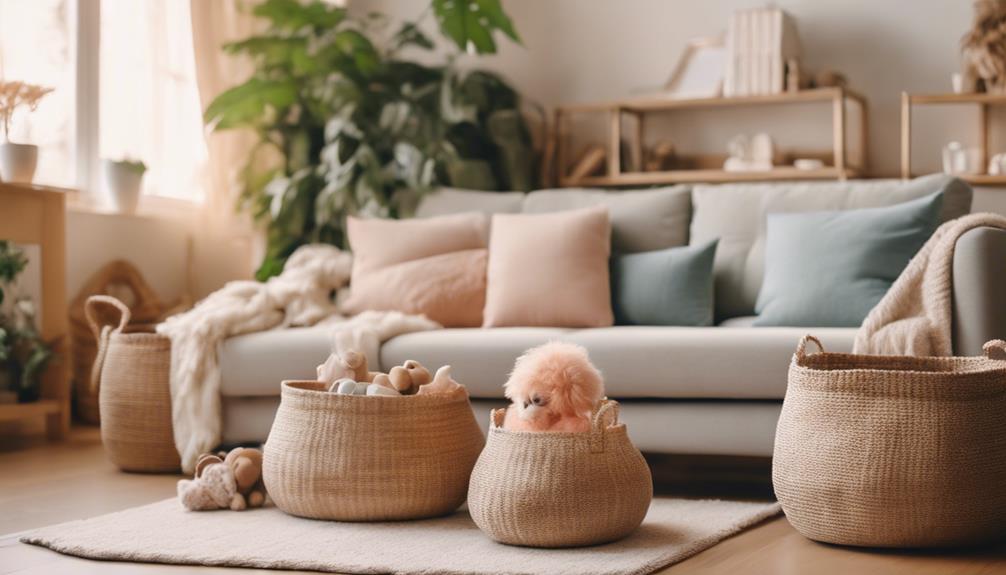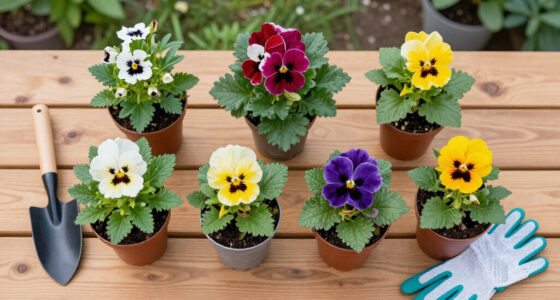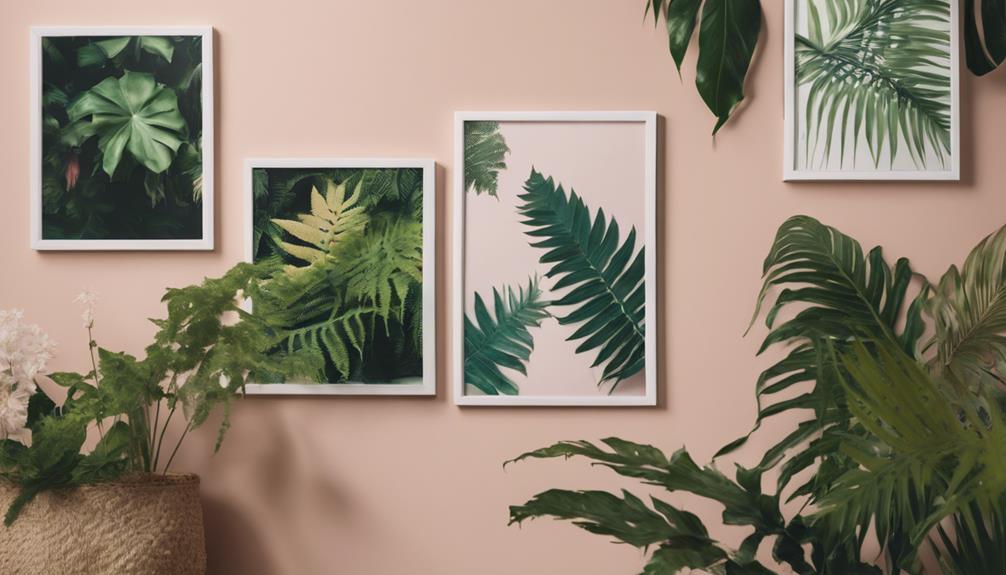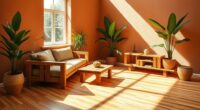
Biophilic design helps you bring nature into your home, creating a calming and inspiring space. You can add indoor plants, use natural materials like wood and stone, and maximize natural light and views to boost your mood and reduce stress. These elements improve air quality, foster a sense of connection to the outdoors, and support your overall well-being. Keep exploring to discover simple ways to transform your living environment into a soothing retreat.
Key Takeaways
- Incorporate indoor plants to add greenery, improve air quality, and create calming accents.
- Use natural materials like wood, stone, or bamboo to add warmth and tactile interest.
- Maximize natural light with large windows, skylights, and strategic seating to enhance views and mood.
- Design spaces that connect indoor environments with outdoor scenery for seamless integration.
- Employ biophilic elements to boost mental well-being, reduce stress, and foster a tranquil, inspiring home.

Have you ever noticed how natural light, plants, and outdoor views can instantly boost your mood and productivity? That’s the essence of biophilic design—bringing elements of nature into your home to create a more inviting and healthful environment. It’s not just about aesthetics; it’s about fostering a space that nurtures your well-being. One of the easiest ways to achieve this is by incorporating indoor plants. They add vibrant greenery, improve air quality, and create a calming atmosphere. Whether you choose trailing pothos, lush ferns, or small succulents, these plants serve as living accents that connect you to nature even when you’re inside. Their presence can reduce stress, sharpen focus, and elevate your overall mood. Incorporating natural materials like wood, stone, bamboo, or cork further enhances this connection to nature. Using natural materials is another fundamental aspect of biophilic design. Think of wood, stone, bamboo, or cork—materials that have a tactile, organic quality that instantly grounds your space. When you select furniture, flooring, or decorative elements made from natural materials, you craft an environment that feels warm and authentic. These elements also help in creating a seamless shift between indoor and outdoor spaces. For example, a wooden coffee table or stone countertops not only add visual interest but also evoke a sense of nature’s durability and resilience. Incorporating natural materials isn’t just about aesthetics; it’s about aligning your interior with the natural world, which can have a soothing effect on your mind. To maximize the benefits of biophilic design, you want to prioritize natural light. Large windows, skylights, or even glass doors allow sunlight to flood your space, which boosts your vitamin D levels and regulates your circadian rhythm. When natural light streams in, it enhances the beauty of your indoor plants and natural materials, making your home feel more alive. Outdoor views also play an essential role. If possible, position seating areas to face windows with scenic vistas, or add a balcony garden. This visual connection to nature can reduce feelings of confinement and promote relaxation. Ultimately, biophilic design isn’t just about decorating; it’s about creating a harmonious environment that supports your physical and mental health. Integrating indoor plants and natural materials in thoughtful ways helps you craft a space that feels alive, soothing, and inspiring. When you bring nature into your home, you invite a sense of balance and tranquility that can transform your daily life. And the best part? It’s accessible—small changes can make a big difference in how you experience your space every day.
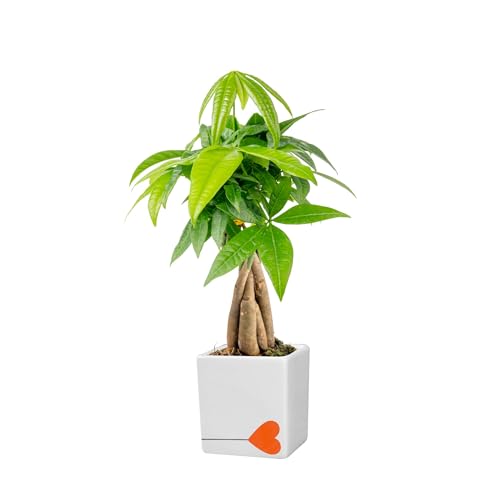
Costa Farms Money Tree, Live Indoor Plant, Braided Trunk, Easy Care
- Instant Room Décor Upgrade: Braided trunk symbolizes good luck
- Air Purifying Indoor Plant: Filters toxins for healthier air
- Creates a Calming Sanctuary: Connects with nature and boosts mood
As an affiliate, we earn on qualifying purchases.
As an affiliate, we earn on qualifying purchases.
Frequently Asked Questions
How Does Biophilic Design Impact Mental Health?
You’ll notice that biophilic design boosts your mental health by promoting nature therapy and reducing stress. When your home incorporates natural elements like plants, sunlight, and natural textures, you experience a calming effect that helps you relax and clear your mind. This connection to nature fosters a sense of well-being, makes you feel more grounded, and helps manage everyday stress, ultimately improving your overall mental health.
Can Biophilic Elements Improve Indoor Air Quality?
Studies show that adding biophilic elements can reduce indoor air pollutants by up to 30%. You can improve indoor air quality by incorporating air purifying plants and natural ventilation, which help filter toxins and increase fresh airflow. These elements not only enhance your living space but also support better respiratory health. By embracing biophilic design, you create a healthier, more inviting environment that benefits both your body and mind.
What Are Cost-Effective Ways to Incorporate Nature?
You can easily incorporate nature into your home with cost-effective DIY decor like plant holders or wall art featuring natural elements. Indoor gardens, even small ones on windowsills or shelves, add greenery and improve your space’s vibe without breaking the bank. These simple, affordable options help you enjoy the benefits of biophilic design, making your environment more relaxing and lively while staying within your budget.
How Does Biophilic Design Influence Energy Efficiency?
You might think embracing nature boosts energy use, but biophilic design actually enhances energy efficiency. You’ll benefit from solar shading that blocks excessive heat and improves thermal regulation, reducing the need for air conditioning. Natural light also minimizes artificial lighting, saving energy. Ironically, inviting nature indoors helps you cut costs and carbon footprints, proving that a greener home isn’t just good for the environment—it’s good for your wallet too.
Are There Any Safety Concerns With Natural Elements Indoors?
Yes, there are safety concerns with natural elements indoors. You should avoid poisonous plants that could harm children or pets. Also, some natural materials may trigger allergies, such as pollen or mold spores. Always research plants before bringing them inside, keep them out of reach, and guarantee proper ventilation. Regularly clean and inspect natural elements to minimize health risks and maintain a safe, healthy environment in your home.

Lerliuo Rattan Nightstand, Boho Side Table with Drawer Open Shelf
- Stylish Rattan Design: Combines modern and boho styles
- Ample Storage Space: Includes drawer, open shelf, and tabletop
- High-Quality Materials: Sturdy wood and beech legs
As an affiliate, we earn on qualifying purchases.
As an affiliate, we earn on qualifying purchases.
Conclusion
So, after all that talk about bringing nature inside, you might realize you’ve just created a tiny jungle in your living room—without even leaving your couch. Who knew that adding a few plants and natural textures could turn your home into a wild sanctuary? Ironically, in trying to escape the chaos of modern life, you’ve crafted your own little wilderness. But hey, at least now you have a built-in excuse to avoid cleaning those “natural” messes!

OXBZKMY Skylight Window for House Roof, Tempered Glass Roof Hatch
- Durable Tempered Glass: Enhanced safety and durability for roofs
- Versatile Installation: Suitable for attics, sun rooms, and indoor spaces
- Easy Access and Ventilation: Sturdy hatch mechanism with weatherproof seal
As an affiliate, we earn on qualifying purchases.
As an affiliate, we earn on qualifying purchases.

yearainn Large Moraine Lake Canvas Wall Art Bedroom Wall Decor Mountain Picture Canvas Artwork Living Room Decoration Contemporary Nature Landscape Home Wall Decor Framed Ready to Hang 24" x 48"
- Serene Mountain Landscape: Captivating mountain lake scene
- Premium-Quality Print: Vibrant, fade-resistant canvas print
- Ideal for Nature Lovers: Perfect for outdoor enthusiasts
As an affiliate, we earn on qualifying purchases.
As an affiliate, we earn on qualifying purchases.