
TL;DR
Homes and Gardens reports that fruit-tree growers should remove fallen and dried fruit from trees in fall, along with diseased leaves, to reduce the risk of pests and pathogens surviving through winter. The report advises disposing of suspect fruit or using a municipal composting facility; it says home composting may not get hot enough to kill harmful organisms.
Fruit-tree growers should clear fallen and dried fruit from trees in fall, according to a Homes and Gardens report, which says the cleanup may reduce the chance that some pests and disease-causing organisms survive winter and affect the next season’s crop. The advice also includes removing diseased leaves and taking care with how old fruit is disposed of.

Get garden gear delivered free with Prime
- Fast, free delivery on millions of items
- Prime Video, Amazon Music and more included
- Member-only deals all year
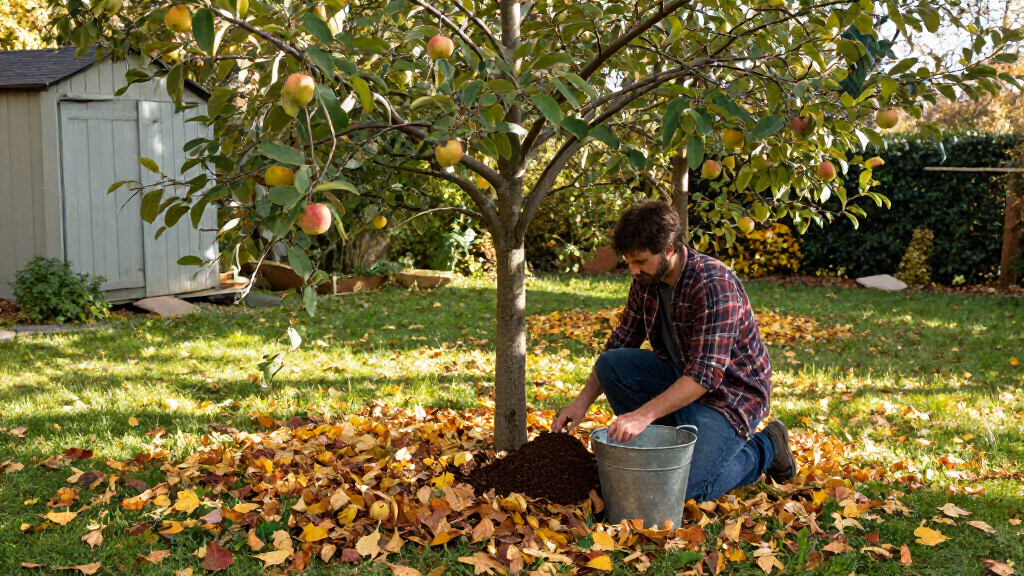
The report recommends first collecting fallen fruit and leaves from around the tree, then checking the branches for dried fruit still attached. These shriveled fruits, often called mummies, may have been affected by disease, fungi or insects. Once leaves drop, old fruit can be easier to spot against the branches. A fruit picker or pole pruner can help reach fruit higher in the canopy.
Fruit can fall for several reasons, including natural thinning, wind, insufficient water, pests or disease. The report says that fruit and leaves showing disease should not be left beneath the tree because certain pathogens can survive there and affect new growth. Susan Poizner, founder of Orchard People, gives brown rot on peach trees as an example: infected fruit may shrivel and fall, while fungus can later produce spores that infect blossoms and fruit.
For disposal, the report advises throwing away suspect fruit or taking it to a municipal composting facility rather than putting it in an ordinary home compost pile. Poizner cautions that pathogens or pests may survive in a home pile if it does not get hot enough. Horticulturist Matt Bunch says an active compost pile needs to reach 140°F to kill most pathogens and diseases; reaching that temperature depends on factors including moisture, ingredient balance and regular turning.
How Fall Cleanup May Protect Fruit
Removing potentially infected fruit is a practical sanitation step aimed at reducing sources of disease and pests before spring. If organisms survive in fallen fruit or mummies, they may pose a risk to blossoms or developing fruit in the next growing season. That risk varies by disease and tree, so cleanup is not a guarantee of a healthy harvest, but it can remove material the report identifies as a possible source of reinfection.
The guidance matters particularly to growers who have seen rot, scab or other problems during the season. It offers a low-cost task after harvest, while also warning that disposal choices matter: placing infected material in a cool home compost pile may leave pests or pathogens alive. The report does not quantify how much cleanup changes disease rates or yield.
Products Worth Considering

Bose SoundTouch 10 Wi-Fi Speakers, 2-Pack, Black

Shark IY143H Cordless Pet Stick Vacuum

TCL F8D Series 75-Inch 4K QLED Smart Fire TV, 144Hz, HDR (75F8D, 2026)
As an affiliate, we earn on qualifying purchases.
Diseased Fruit Can Carry Over
Fruit trees can be affected by disease during the growing season, with symptoms visible on fruit or leaves. The report says that leaving affected material on the ground or in the canopy can give some pathogens a place to persist through winter. Poizner describes brown rot in peaches, while Bunch also points to brown rot in stone fruits and scab and black rot in apples as examples associated with mummified fruit.
The report also notes that fallen fruit can provide food for wildlife, and some gardeners choose to leave some in place. Its recommendation is to remove fruit that is rotting or potentially diseased, particularly around affected trees. Separately, it says tender fruit trees grown in pots may need winter protection: container-grown trees are less hardy than those planted in the ground, and the article advises moving tender types such as citrus, olives, peaches and avocados to a protected location as nighttime temperatures approach 50°F.
“If you leave the leaves and fruits on the ground, some diseases can overwinter and come back the following year.”
— Susan Poizner, founder of Orchard People
Limits of the Fall Advice
The report does not provide trial data showing how much fruit removal reduces disease or improves yields, and it does not say that every fallen fruit carries a pathogen. The risk depends on the tree, the disease and whether the fruit or leaves are infected. Its examples describe possible carryover, not a certainty that infection will recur.
Guidance on home composting also depends on whether a pile consistently reaches the stated temperature and is managed properly. The report does not specify local rules for disposal, which can vary by municipality. Gardeners should check local waste guidance, especially for diseased plant material.
Fall Checks Before Winter
After harvest, growers can inspect beneath the tree and through its canopy, remove fallen and mummified fruit, and collect leaves that show signs of disease. Suspect material can be discarded or sent to a municipal compost facility, subject to local guidance. Anyone using a home compost system should not assume it will destroy pathogens unless the pile reaches and maintains an adequate temperature.
For fruit trees in containers, the report recommends watching nighttime forecasts and moving tender varieties to shelter as temperatures fall toward 50°F. The article does not specify a single date for these tasks; timing will depend on local weather, the tree variety and whether it is planted in the ground or a pot.
Key Questions
What should I remove from around a fruit tree in fall?
Remove fallen fruit and diseased leaves, and check the branches for dried, shriveled fruit known as mummies. The report says these materials may harbor pests or pathogens that can survive winter.
Can I put rotten fruit in my home compost?
The report recommends caution. A home compost pile may not get hot enough to kill pests or pathogens. It says an active pile needs to reach 140°F to kill most pathogens and diseases, with heat depending on proper moisture, ingredient balance and turning.
Why remove dried fruit still attached to branches?
Mummified fruit may have been affected by fungi, disease or insects. Horticulturist Matt Bunch says pests can remain in it and may contribute to reinfection in the next growing season.
When should potted fruit trees be moved to shelter?
The report advises moving tender container-grown trees to a protected place as nighttime temperatures approach 50°F. It names citrus, olives, peaches and avocados as examples, while noting that trees in pots are less hardy than those planted in the ground.
Source: rss