
TL;DR

Get garden gear delivered free — and shop member deals
- Fast, free delivery on millions of items
- Access to Prime Big Deal Days deals on October 6–7
- Prime Video, Amazon Music and more included
A Planet Natural report recommends checking houseplant roots before deciding whether to repot in fall. Root rot, a failing pot, contaminated mix or severe binding can justify action now; firm roots and predictable drainage usually mean a full repot can wait.
Houseplant owners do not need to repot every plant before winter, according to a Planet Natural report that recommends checking the root ball first. The report says fall repotting is warranted when there is a problem such as root rot, a damaged or unsuitable pot, suspect soil or severe root binding; otherwise, a stable plant may be left undisturbed until brighter growing conditions return.
The report describes the move indoors as an adjustment in itself: plants face lower light and drier indoor air, as well as a change in watering patterns. Adding root disturbance and a new container without a clear need can leave a healthy plant recovering during the start of winter. A root-ball check is meant to answer a narrower question: does the plant need intervention now, or can it wait?
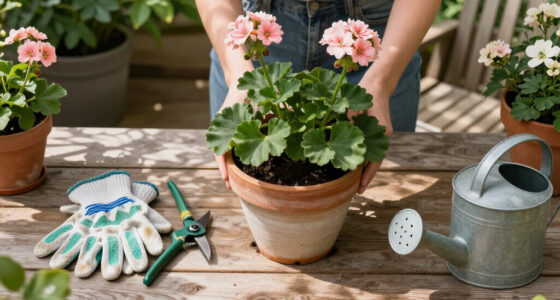
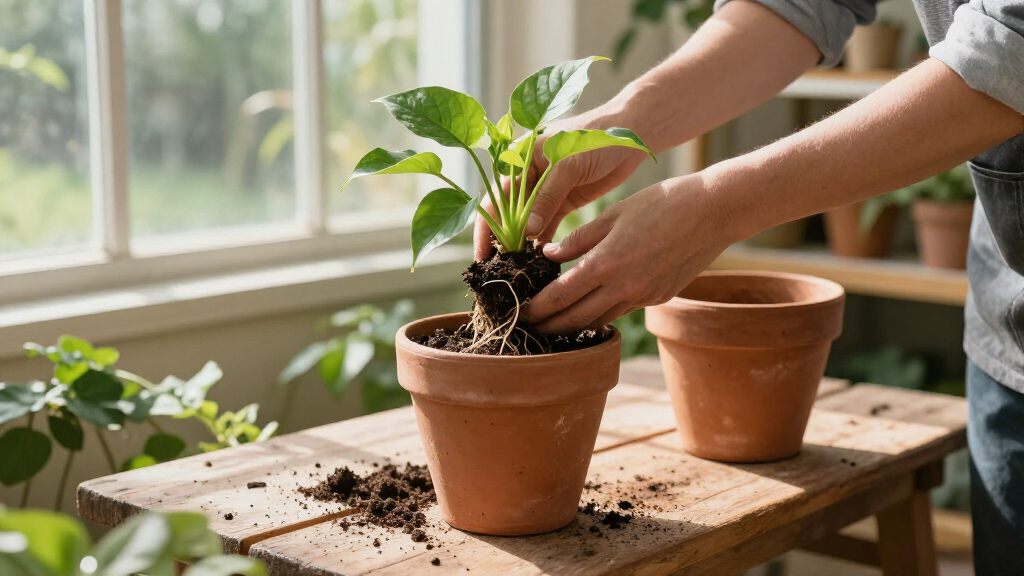
For inspection, the report advises lightly watering a dry plant about an hour beforehand, then easing the pot away while supporting the soil. Gardeners should avoid pulling on the stems. The outer roots and bottom of the root ball can then be checked for dense circling, roots emerging from drainage holes, and how much potting mix remains. Firm roots and mix that is not an impenetrable mass may indicate that a full repot can wait.
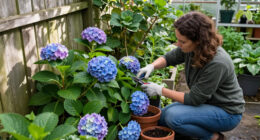
Soft, dark roots, especially alongside yellowing or wilting and potting mix that stays wet, can point to rot and warrant removing damaged tissue with clean tools. The report also identifies pots without drainage, cracked or unstable containers, clearly pest-affected soil and severe root binding as reasons to consider fall action. For a severely bound plant, it advises moving up just one pot size—usually 1 to 2 inches wider—rather than using a much larger container.
Choosing Which Plants Need Fall Action
The distinction matters because an unnecessary repot combines root disturbance with the plant’s seasonal move indoors. A plant that is already adapting to less light and slower water use may not benefit from additional changes. Checking the root ball helps owners identify specific problems rather than repotting every plant before winter.
The report does not recommend postponing all repotting until spring. A rotting root system, a pot that cannot drain or support the plant, or severe binding may create risks if left unresolved. The decision depends on the condition of the plant and pot, rather than the calendar alone.
As an affiliate, we earn on qualifying purchases.
The Indoor Move Changes Plant Care
Many plants come indoors in fall after spending summer outside. The report notes that indoor conditions often mean lower light and drier air, while plants may use water more slowly than they did outdoors. Owners should check moisture before watering rather than carrying over the outdoor schedule automatically.
Not every sign of roots at the pot edge signals trouble. A few roots near a drainage hole may simply show that the plant is using its available space. If roots remain firm, water drains and rewets predictably, and the container is sound, the report recommends waiting for brighter days and active growth before a routine full repot.
As an affiliate, we earn on qualifying purchases.
Reading Root Signs by Plant
The source gives general signs rather than a species-by-species diagnosis. Healthy root color varies by plant, so color alone cannot settle whether a root is healthy; firmness, texture, smell and the condition of the plant and mix also matter. The report does not provide a universal threshold for how many circling roots make binding severe.
A sour, stagnant smell paired with soft, dark roots is described as different from normal moist potting mix, but an inspection is not a substitute for identifying a particular pest or disease. The report also does not offer a single timing rule for every species or indoor environment. Decisions remain dependent on the plant’s condition and its potting setup.
As an affiliate, we earn on qualifying purchases.
Monitor Plants After the Move
After checking the root ball, return a stable plant to its pot at the same depth and place it in its indoor location. Remove dead foliage, check that the pot drains, and recheck soil moisture before watering as light levels and water use change. The report advises avoiding routine fertilizing during the adjustment period unless the needs of a specific plant call for it.
For a plant that needs repotting, use a clean pot with a drainage hole and fresh mix suited to the plant. Remove only dead or rotten roots, or make minimal cuts to loosen a severe mat of circling roots. If soil pests are suspected, keep the plant separate from the rest of the collection while monitoring it; repotting alone does not replace follow-up observation.
soil moisture meter for houseplants
As an affiliate, we earn on qualifying purchases.
As an affiliate, we earn on qualifying purchases.
Key Questions
Should I repot every houseplant before bringing it indoors?
No. The Planet Natural report recommends checking the root ball first. A stable plant with firm roots, working drainage and a sound pot may wait until active growth resumes.
What root signs suggest a plant needs attention now?
Soft, dark roots alongside wilting or yellowing, persistently wet mix, severe circling roots, or roots escaping multiple drainage holes can point to a problem that warrants action. Root color varies by plant, so assess firmness and the overall condition too.
How much larger should the new pot be?
For a severely root-bound plant, the report advises moving up one pot size, usually 1 to 2 inches wider. A much larger container can leave extra mix wet for longer.
Can I refresh the pot without a full repot?
Yes. If roots are healthy and water drains normally, remove about the top inch of old surface material and replace it with suitable fresh mix. Do not bury the plant’s crown, aerial roots or original stem depth.
Should I prune roots during a routine fall check?
No. The report recommends root pruning only to remove dead or rotten tissue, address severe binding, or fit a plant back into the same pot when that is the chosen approach. Use clean, sharp tools and make only necessary cuts.
Source: rss
Halloween Picks
halloween
As an affiliate, we earn on qualifying purchases.